Let's be real about what's happening
Your orgasms aren't disappearing. They're recalibrating. If you've noticed that climax takes longer to build, feels less intense, or sometimes seems to slip away just when you're close, you're not broken. You're experiencing a normal shift that happens across aging bodies—and it's fixable.
Here's what most people don't understand: reaching orgasm isn't a single pathway. It's a constellation of things happening at once. Arousal, friction, mental focus, blood flow, nerve sensitivity, and rhythm all need to converge. When one piece changes, the whole system feels off until you adjust.
Why reaching orgasm takes longer now
Three physiological shifts matter most:
1. Blood flow takes longer to peak. Arousal in aging bodies is less of a sudden rush and more of a slow climb. The blood vessels that engorge tissue during arousal respond more gradually. This isn't weakness—it's just the timeline changing.
2. Nerve endings become slightly less dense. Over time, particularly in tissues exposed to friction or with shifts in hormone levels, sensory receptors can become less reactive. You might notice that the same touch that used to spark instant sensation now requires more pressure or different stimulation.
3. Neurological pathways rewire subtly. The signals between your genitals and your brain still work perfectly, but the speed and intensity can soften. Think of it like a familiar song played at a slightly lower volume. It's the same melody, just quieter at first.
But here's the part that actually matters: the brain's capacity for pleasure stays intact. Your ability to have intense, satisfying orgasms is still entirely possible. You just need to work with your body's current rhythm instead of against it.
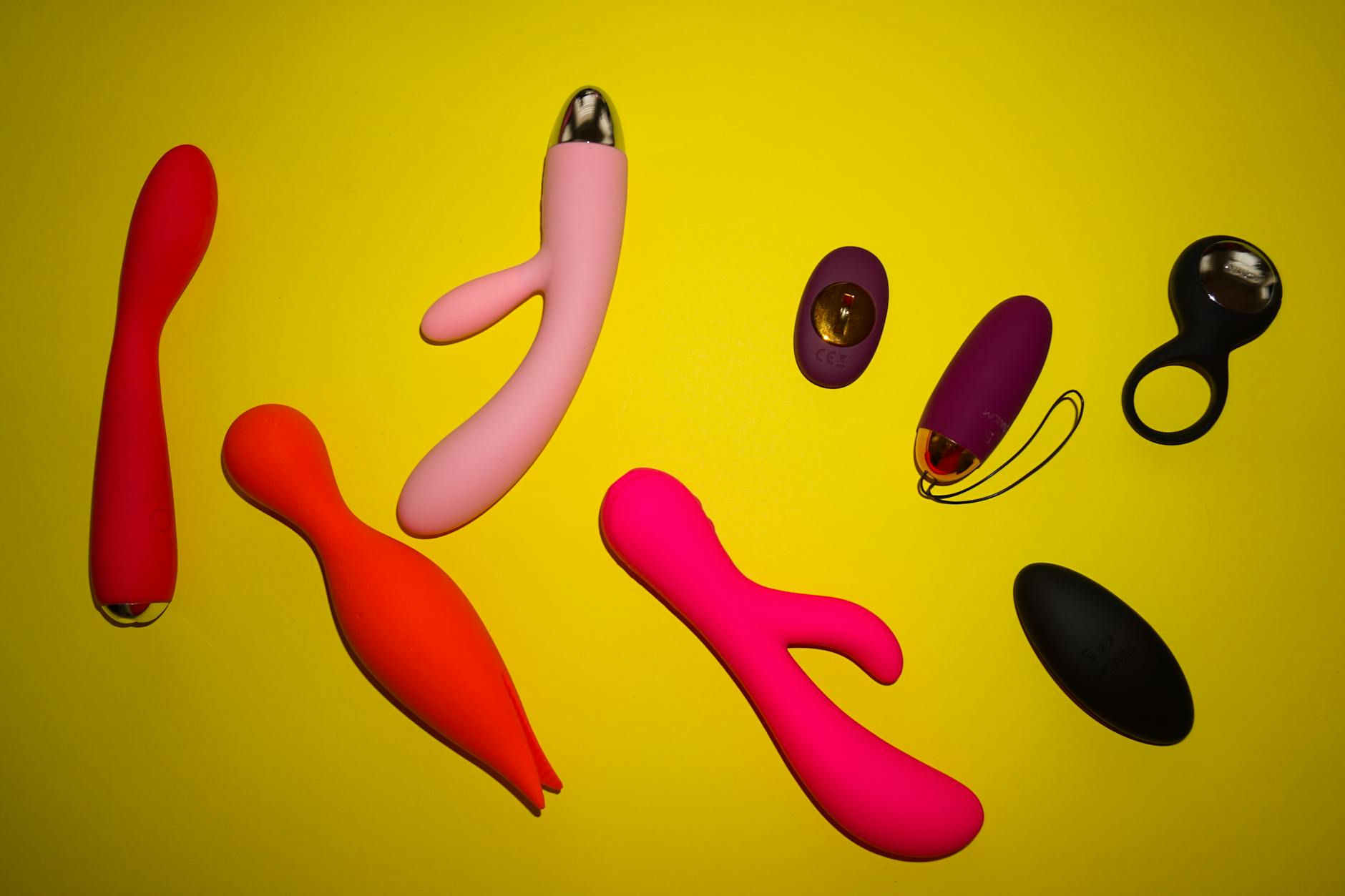
Why the Lemon clitoral vibrator works better than friction alone
When reaching orgasm feels effortful, friction-based stimulation (like fingers or traditional vibrators) can actually make things harder. Here's why: friction requires sustained pressure and a specific rhythm, which can tire your hand, reduce sensation through numbness, and create a mechanical feeling that pulls you out of the moment.
Air-suction technology, like what the Lem vibrator uses, works differently. Instead of pushing motion against tissue, it creates a gentle rhythmic suction that stimulates nerves without the same fatigue factor. This matters because:
- You don't numb the area. Friction deadens sensation over time. Suction keeps nerve endings responsive throughout the session.
- Your hands stay free. No hand cramping, no positioning exhaustion. You can relax more deeply, which actually helps orgasms arrive faster.
- The sensation feels less mechanical. Suction mimics natural stimulation patterns more closely than vibration alone, which keeps you mentally present.
For bodies where reaching orgasm has slowed, this changes everything. You're not fighting your body. You're working with it.
The actual technique that makes a difference
Using a lemon vibrator—or any clitoral vibrator—differently at this stage means understanding that speed isn't the goal anymore. Consistency and depth are.
Start lower than you think you need. If the Lem has multiple intensity levels, begin at level one or two. Your nervous system needs time to wake up. Jumping straight to high intensity actually suppresses some of the nerve pathways that create pleasure. Counterintuitive, but true.
Build time into your schedule. Rushing creates tension, and tension blocks orgasms. Set aside 20-30 minutes instead of 10. This removes the pressure to finish quickly, which is often what actually prevents orgasms in the first place.
Focus on the journey, not the endpoint. This sounds like a meditation app cliché, but it's neurologically accurate. The moment you start monitoring whether an orgasm is coming, you activate your prefrontal cortex (your thinking brain), which dampens the limbic activity that creates climax. Stay in sensation, not in evaluation.
Use lube even if you don't think you need it. Water-based lubricant reduces friction, which means less numbing and more sustained sensation. It also takes pressure off your body to produce its own lubrication, which can be inconsistent as we age.
The mental piece that nobody talks about
Here's what I see clinically all the time: people assume that difficulty reaching orgasm is purely physical. It's almost never purely physical.
If you've spent decades reaching climax one way—fast, responsive, reliable—and suddenly it doesn't work that way anymore, your brain gets anxious. That anxiety is exactly what blocks orgasms. You're essentially checking your progress mid-journey, which derails everything.
Reframing helps. Your orgasms aren't broken. They're evolving. And frankly, many people find that orgasms after 40, 50, or beyond are more satisfying than earlier versions because they're less performative and more genuinely present.
If you're with a partner, separate the conversation from the process. "I'm exploring what works for my body now" is different from "Something's wrong with me." The first opens doors. The second closes them.
When to rule out other factors
Sometimes delayed or absent orgasms point to something fixable that's not about age itself.
Medications. SSRIs, some blood pressure medications, and certain antihistamines can dampen sensation and delay orgasm. If you've started something new, talk to your doctor about alternatives. Often there's a swap that works better for your body.
Relationship temperature. If attraction or trust has cooled, no vibrator fixes that. This is actually important data, not a failure. If you're using a lemon vibrator solo and it works fine, but with a partner nothing clicks, the issue might be relational, not physical.
Pelvic floor tension. Ironically, holding tension in your pelvic floor actually prevents orgasms. Kegels are helpful, but so is learning to relax these muscles. If you've had pelvic surgery, trauma, or chronic tension, working with a pelvic floor physical therapist makes a real difference.
Estrogen changes. If you're in perimenopause or menopause, tissue thinning and dryness can make orgasms harder to reach. Topical estrogen creams (prescribed by a doctor) can help. So does using a lemon vibrator when estrogen affects clitoral sensitivity.
The positioning shift that changes everything
When reaching orgasm felt easy, you probably had a go-to position. Now that body mechanics have shifted slightly, a small angle change can unlock everything.
If you're using a device solo, lying flat with a pillow under your hips tilts everything slightly forward, bringing more contact to the clitoral area. If you're with a partner, sitting up instead of lying down gives you more control over pressure and rhythm—which means you can chase the sensation that actually works instead of adjusting to someone else's pace.
Small adjustments compound. Your body knows what it needs. You just have to listen.
Building the orgasm back, step by step
If reaching climax has become genuinely difficult, rebuilding confidence takes intention.
Start with sessions where orgasm isn't the goal. Use your lemon vibrator for 15 minutes purely for sensation—how does it feel at different intensities? Where on your body creates the most interesting sensation? This removes the performance pressure that's actually killing your orgasms.
Once you've relearned your own response without pressure, orgasms often return naturally. You're not trying to force something. You're giving your body permission to respond at its own pace.
The orgasms that come after 40 aren't weaker. They're just different. And for most people, deeper.
This shift often means fewer but more satisfying orgasms. Quality over quantity. And honestly, that's a trade many people would take on purpose.
Common questions about age, orgasms, and pleasure
Can you still have strong orgasms after 50?
Absolutely. Orgasm strength depends more on arousal depth, mental presence, and clitoral attention than on age. Some people have the most intense orgasms of their lives after 50 because they've finally stopped performing for others and started exploring what actually feels good. The Lem vibrator and similar devices are particularly effective because they deliver consistent, focused stimulation without fatigue.
Does using a vibrator make it harder to orgasm without one later?
No. This is a common myth. Your body doesn't "get used to" vibration in a way that breaks other forms of stimulation. If anything, vibrators can help you rediscover sensation pathways that had gotten dormant, making other forms of stimulation feel more noticeable afterward.
Is it normal for orgasms to feel different in intensity?
Yes. Hormone shifts, stress, relationship dynamics, medication, and just plain aging can all change how orgasms feel. Sometimes they're quieter and more interior. Sometimes they're more scattered. None of these are problems unless they're causing you distress.
Should I be worried if orgasms take 20-30 minutes instead of 5?
Not at all. In fact, longer arousal builds deeper pleasure for many people. The concern only matters if the extended timeline is causing frustration or if you're pressuring yourself to finish. If you have 30 minutes and you're enjoying the journey, that's not a problem.
What if my partner and I have very different arousal timelines now?
Talk about it, because the silence is worse than the conversation. When partners orgasm at different speeds, using a lemon vibrator during partnered sex means you're not waiting for each other. You're both getting what you need simultaneously. It solves the problem without anyone feeling inadequate.
Can diet, exercise, or supplements help orgasms come back easier?
Yes, in indirect ways. Better cardiovascular fitness improves blood flow, which matters for arousal. Reducing stress helps. But there's no supplement that directly "fixes" delayed orgasms. The lemon vibrator plus technique adjustments gets you 90% of the way there. If there's still friction after that, that's when specialists help.
Final word
Orgasms that take longer aren't failing orgasms. They're just orgasms on your body's current timeline. Honoring that timeline, using tools like the Lem vibrator that work with your nervous system instead of against it, and letting go of performance pressure—that's where pleasure actually opens up.
Your body at any age is capable of deep, satisfying sensation. You just have to adjust your approach and give yourself permission to take the time it now takes. Most people find that once they stop fighting the change, pleasure deepens in ways they didn't expect. If you're navigating this shift and need guidance specific to your situation, reach out to our team.