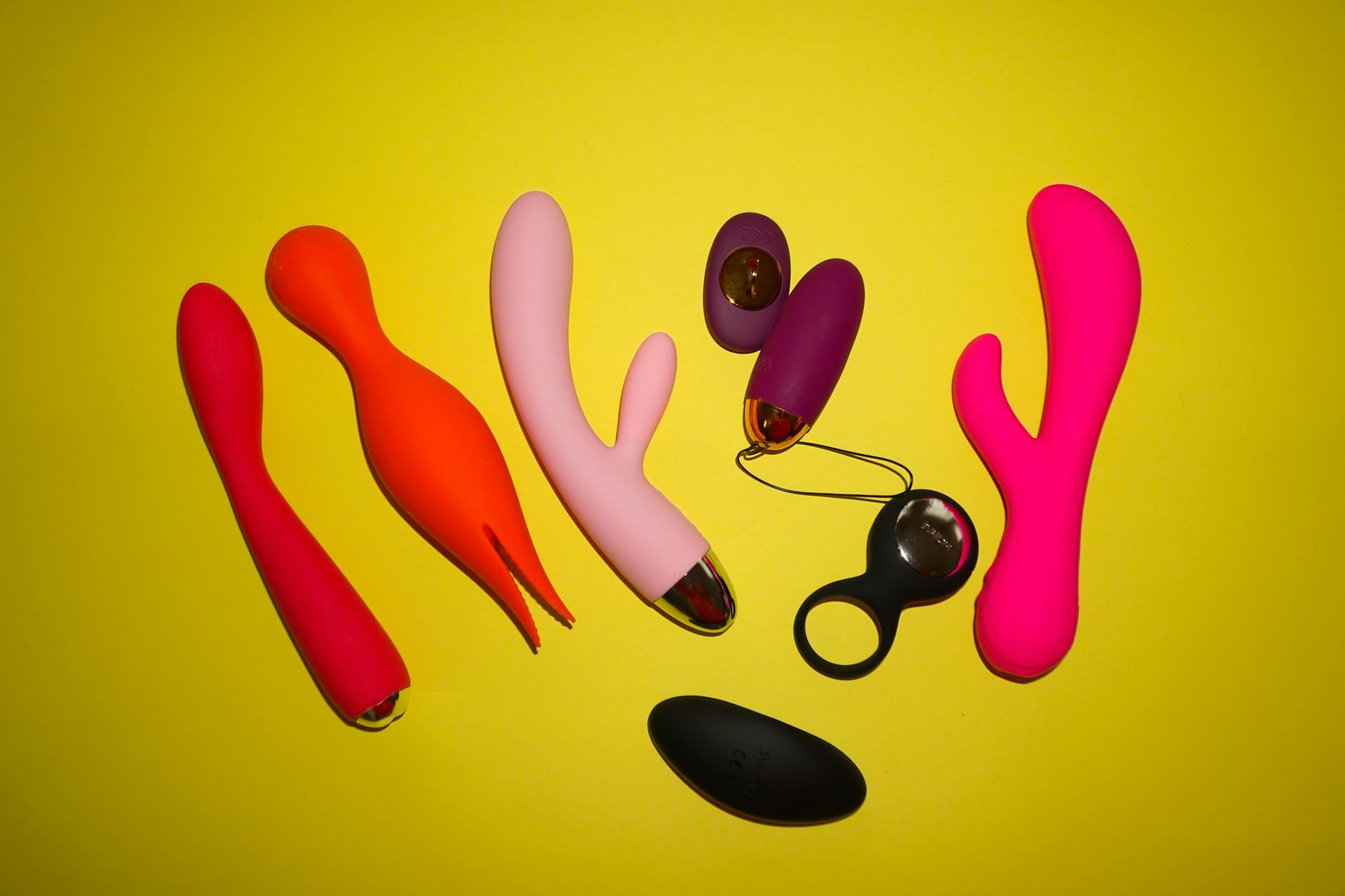
The mismatch nobody talks about
Let's be real. One partner climaxes in under ten minutes. The other needs thirty, or doesn't get there at all without very specific conditions. Then comes the awkward shuffle, the self-consciousness, the pressure that actually makes it harder. You stop touching. Someone finishes alone. Both of you feel like something went wrong.
It didn't. Your bodies are just different.
Here's what I see in my practice: most couples never actually address this directly. They work around it. They switch positions hoping it'll help. They fake it. They schedule sex for times when "the faster person" is less interested. None of that fixes the real problem, which is that you're trying to sync two completely independent nervous systems and calling it normal.
A lemon clitoral vibrator changes this equation entirely. Not because it rushes the slower partner or holds back the faster one, but because it removes the performance aspect that makes the mismatch painful in the first place.
Why orgasm timing differs in the first place
Your bodies aren't broken. They're just operating on different wiring.
Clitoral sensitivity varies wildly between people. Some need direct, focused stimulation. Others respond better to broader patterns or indirect contact. One partner might need a long arousal window before their nervous system even registers pleasure. The other might be ready from minimal touch.
Add in hormones, stress, distraction, how often you've had sex recently, whether you're worried about time, and you've got a dozen variables. Neither of you controls most of them.
The bigger problem is that when you're partnered sex, there's usually only one stimulus pattern happening at once. You're either doing one thing or switching. If that one thing works for one person but not the other, somebody's left waiting or frustrated.
How Shop Lemon Sex Toys solves the synchronization problem
A lemon vibrator is different from traditional vibrators because it uses suction, not just buzzing. That means it creates a sustained sensation that builds slowly and steadily. You can't really "rush" suction. It works on its own timeline.
Here's what that does for couples with different orgasm speeds. The slower partner can use the lemon vibrator independently at their own pace, without the pressure of matching someone else's rhythm. Meanwhile, the faster partner isn't sitting idle or managing their own arousal alone. You're both receiving pleasure simultaneously, just through different mechanisms.
That sounds simple. It's actually revolutionary for your dynamic.
The setup that works
Start by having a real conversation before sex. Not during. Not after. Before. Tell your partner what you're thinking: "I want us both to finish feeling good. I'm not expecting this to fix everything immediately, but I want to try something."
Then set realistic expectations together. For some couples, the lemon vibrator means both partners climax around the same time. For others, one person finishes first, and then you switch focus. That's fine. The point is you're doing it intentionally, not scrambling.
Position matters. If you're having penetrative sex, the person using the lemon vibrator can maintain penetration or external contact while the other partner uses it. Or you can take turns. Some couples find that using the vibrator during oral sex removes the timing pressure entirely, since you're already in a position where one person is focused on pleasure-giving.
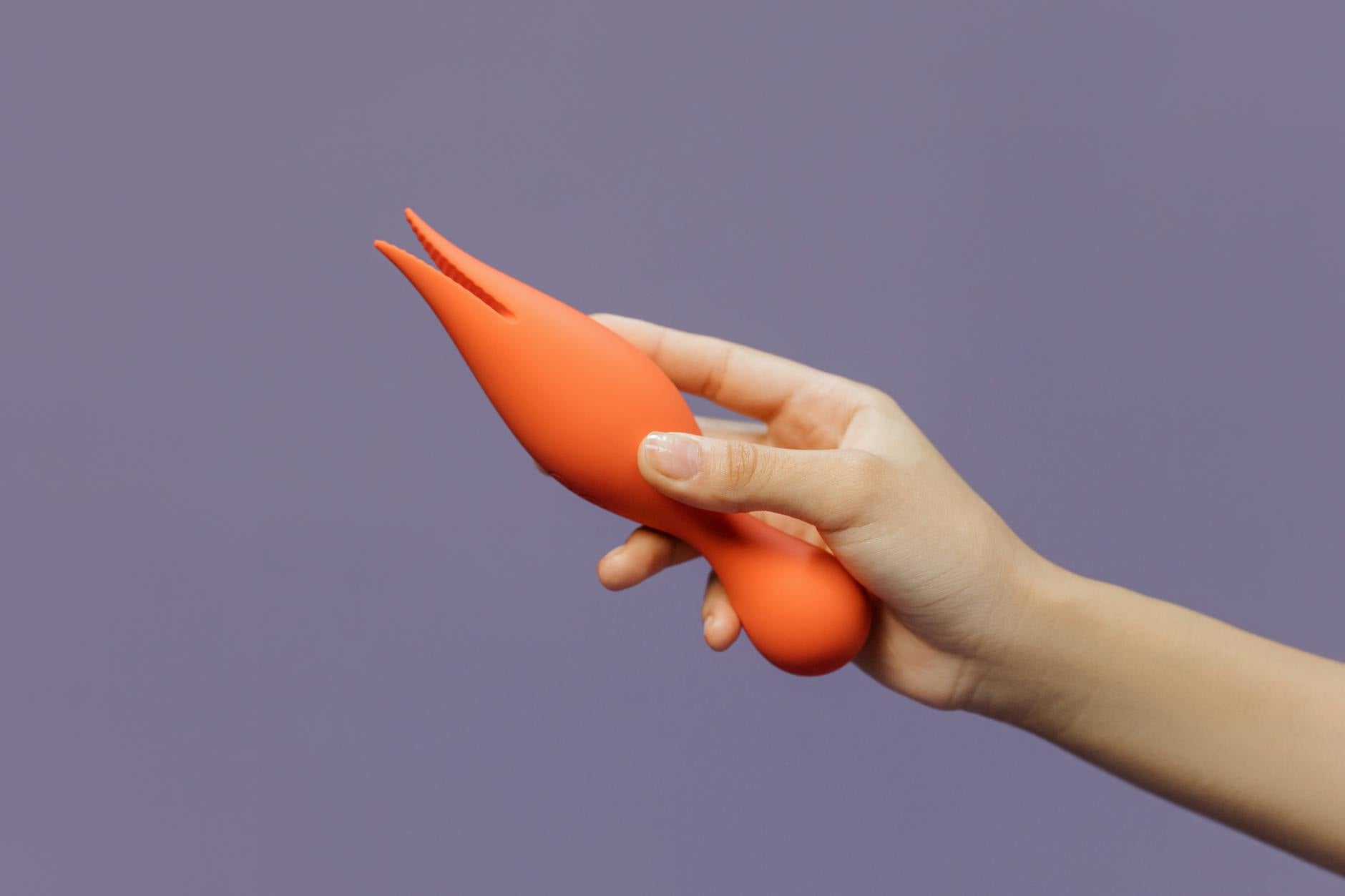
Photo by cottonbro studio on Pexels
When the faster partner uses it
If you're the one who usually climaxes quickly, using a lemon vibrator on your partner can actually slow you down. Sounds counterintuitive, but it works. You're focused on their response, watching them, learning what creates the most pleasure. That mental engagement naturally extends your own arousal.
Start at a lower suction intensity. Watch what happens to your partner's body. Are they relaxing, or tensing? Are they asking for more intensity, or pulling back slightly? The lem vibrator responds to touch feedback, so you're getting real-time information about what's working.
Many partners tell me that using a lemon vibrator on someone they love actually creates a new kind of pleasure. You're not just having sex with them. You're actively studying their body, problem-solving together, figuring out what builds their pleasure fastest. That kind of attention is its own intimacy.
When the slower partner uses it
If you're the person who needs more time, a lemon vibrator gives you permission to stay focused on your own sensation without guilt. You're not holding your partner back. They're receiving pleasure independently, just as you are.
Start with the lower suction levels. One of the biggest mistakes slower partners make is jumping straight to the highest intensity, thinking that'll speed things up. It actually often flattens sensation or numbs the area. Build gradually.
Many people find that suction creates a different kind of stimulation than traditional vibration. It feels less frantic, more sustained. Some describe it as similar to a prolonged kiss or a gentle pulling sensation. That steadiness often means fewer distractions, which means your nervous system can focus on building pleasure rather than chasing it.
The communication during sex part
You'll probably want to establish one simple signal: if someone wants to slow down or speed up, how do you say that without killing the moment? Some couples use gentle pressure. Others use very basic language: "softer," "more," "pause." Keep it simple.
Here's what usually happens once you've used a lemon clitoral vibrator a few times: you stop focusing so much on the timing and start noticing what actually feels good. That shift is bigger than it sounds. When you're no longer anxious about mismatched orgasms, pleasure usually follows naturally.
That's not magical thinking. It's neuroscience. Anxiety narrows sensation. When anxiety drops, sensation expands.
The rhythm-building phase
Don't expect to sync perfectly on night one. Some couples find they naturally align after a few sessions once the pressure is off. Others develop a pattern where one partner finishes, they reset, and then the other climaxes. That's completely normal and satisfying for lots of couples.
If you want to try ending together, start adding layers. Maybe one partner uses the lemon vibrator while the other uses penetration or hand stimulation. Pay attention to what builds pleasure for both of you, then time it so you're both climbing at similar speeds. This takes practice and conversation. That's the whole point. You're learning each other, not performing.
Many couples also find that how to use a lemon vibrator for deeper pleasure building with your partner works better when you've already solved the timing problem first. One issue at a time.
The stuff nobody mentions
Lubricant matters more when you're both being stimulated simultaneously. If you're using a lemon vibrator on a partner while they're using penetration, make sure the area is well-lubricated so nothing feels jarring or uncomfortable.
Also, take breaks. Not because anything's wrong. Just because sustained stimulation, especially with suction, can create a numb feeling if you push too long. Use the vibrator for a few minutes, pause, reconnect without it, then continue. You're looking for a rhythm that feels good, not a race.
Finally, this works with new partners and long-term partners equally well. If you're how to use a lemon vibrator with your new partner without awkward conversations, starting with this practical approach actually makes the conversation easier. "Let's try this because our bodies work at different speeds" is less loaded than "we have a problem."
Why this actually builds intimacy
Here's what I tell couples: when you stop fighting your bodies' natural rhythms and start working with them, something shifts. You're not trying to fix a problem. You're solving it together. And solving problems together is what creates lasting sexual connection.
Using a lemon vibrator when your orgasm speeds differ doesn't mean one of you isn't satisfied. It means both of you are getting what you actually need instead of compromising.
People also ask
Can a lemon vibrator help if one partner takes antidepressants that delay orgasm?
Absolutely. SSRIs often slow down or flatten orgasm response, and that mismatch becomes even sharper if your partner isn't taking them. Suction stimulation tends to cut through that delay more effectively than traditional vibration because it creates sustained pressure rather than rapid buzzing. How lemon vibrator suction helps restore sensation when taking SSRI medications goes into this in depth.
What if one partner still doesn't climax even with the vibrator?
Then you've actually learned something valuable, which is that the timing difference isn't really the problem. The actual issue might be stress, disconnection, or a physical block like pelvic floor tension. A lemon vibrator can reveal that. Once you know what the real barrier is, you can address it directly instead of guessing.
Should we always use the vibrator, or just sometimes?
Sometimes. Use it often enough to get comfortable with it, then branch out. Some of the best partnered sex happens without toys. The point of introducing a lemon vibrator isn't to make it essential. It's to remove the pressure that was making sex stressful in the first place. Once that pressure's gone, you'll naturally experiment with when and how you want to use it.
Is it weird if we both use lemon vibrators at the same time?
Not weird at all. Lots of couples do this. If you're both on the slower side, simultaneous use means you're both getting the specific stimulation you need and no one's waiting. If you're on very different schedules, it can also feel less gendered or performance-based, which some couples find freeing.
What if using a vibrator makes me feel like my partner isn't attracted to me anymore?
That feeling usually means you need a conversation, not that the vibrator's the problem. Tell your partner what you're feeling. Most likely, they're using it because they want to feel good WITH you, not because you're not enough. A lemon vibrator is a tool for mutual pleasure, not a replacement.
How do we know if we're using it right?
If you're both feeling more pleasure and less stress during sex, you're doing it right. There's no single correct way. Your way is the right way if it works for your bodies and your dynamic.