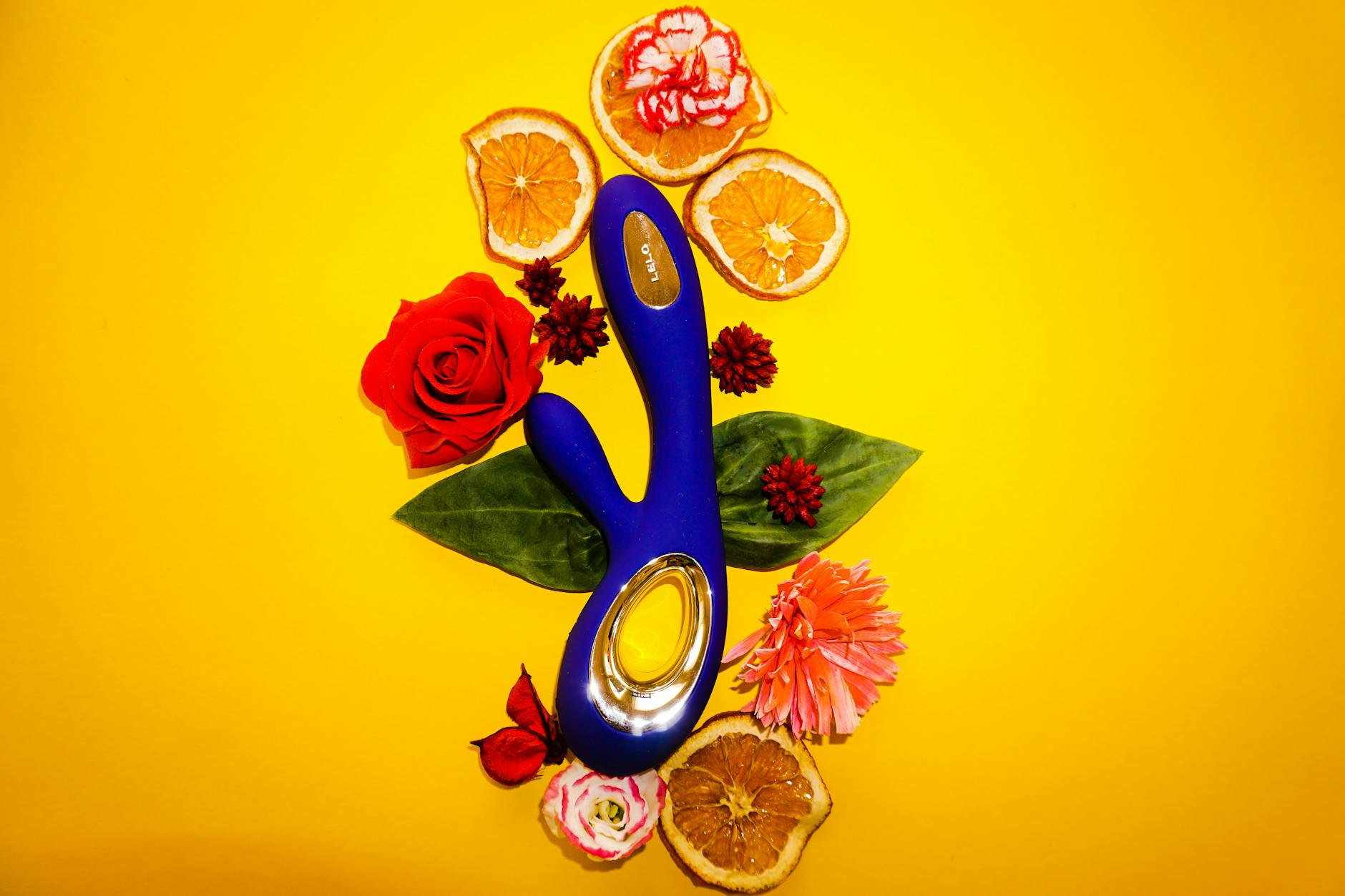
Here's what nobody tells you about pleasure after 35
Your clitoral sensitivity doesn't fade. It rewires. That's the distinction most people miss, and it changes everything about how you should be using vibrators right now.
If you've noticed that the vibration intensity you loved at 25 feels different at 40, you're not losing your mind. Your body's actually doing something smarter. Understanding what's happening makes using a lemon clitoral vibrator or any quality vibrator feel infinitely better.
What actually changes in your nervous system
There are three things happening simultaneously after 35, and they're not all bad news.
First, nerve sensitivity doesn't decline evenly across your body. Your clitoral glans has one specific nerve cluster that matures as you age. Between 30 and 50, this cluster becomes more concentrated and selective. That means less diffuse sensation, but sharper, more defined pleasure when you hit the right spot. Translation: you need precision now more than novelty.
Second, your brain's reward pathways reorganize. Dopamine response takes longer to peak, but when it does, it lands harder. You're not numb. You're slower to ignite and faster to burn once you do.
Third, hormonal fluctuation starts earlier than most women realize. Even if you're nowhere near menopause, estrogen and testosterone begin shifting in your mid-thirties. Estrogen affects tissue hydration and blood flow to the clitoris. Less blood flow means you might need a different vibrator pattern than you used to. This isn't failure. It's information.
Why some vibrators feel too intense now
The clitoral vibrator you loved at 28 might feel aggressive at 38. That's not because you're losing sensation. It's because the tissue around your clitoris is thinner, more sensitive to direct stimulation. The same wattage hits different nerves more directly.
Here's the practical bit: many vibrators marketed as "powerful" are actually just high-frequency. High frequency works better on younger tissue that can disperse that energy. Older tissue concentrates it. You might feel overstimulated not because you're numb, but because you're actually feeling more intensely in a smaller area.
A lemon clitoral vibrator's suction mechanism works differently than traditional vibration. Instead of direct contact creating friction, suction stimulates the entire clitoral structure by pulling gently. This approach suits tissue at any age beautifully. For women over 35, it often feels less overwhelming and more targeted than straight vibration.
The warm-up time shift and what it means
You might have noticed arousal takes longer. Most women report needing 15 to 25 minutes to reach the same peak they hit in 5 to 10 years earlier. This isn't laziness or decreased desire. It's a lengthening of the arousal curve, which most sex researchers call the "extended plateau phase."
Translate that into action: spend more time on foreplay, either solo or with a partner. Let your body warm up before introducing vibration intensity. Start on lower settings, even if you never did before. Your clitoris is receiving signals more selectively now, so it needs time to accumulate that stimulation.
Honestly, this often produces better orgasms. Longer buildup means a longer resolution phase afterward. You're not rushing to the peak and crashing. You're living in that space longer.
How clitoral vibrators actually work better after 35
Most of my clients who switched vibrator strategies in their late thirties or forties report more intense, longer-lasting orgasms than they had a decade earlier. They're not having more orgasms. They're having better ones.
Three specific tactics make a difference.
Start with pattern over intensity. Your clitoris now responds better to rhythmic variation than to raw power. Use a vibrator with multiple patterns and experiment. You might find that a mid-speed wave pattern beats your old favorite high-speed buzz. The lemon vibrators have pulse settings specifically designed for this kind of exploration.
Extend your stimulation window. Don't rush. Fifteen minutes isn't too long. If you're accustomed to five-minute solo sessions, expanding to 10 or 15 often unlocks sensations you haven't felt in years. Your nervous system needs time to fully activate.
Add layered sensation. Your brain at 40 processes touch differently than at 25. You might love adding a second point of sensation now. A vibrator on your clitoris plus a finger inside, or a vibrator plus a warming sensation. Your nervous system doesn't get bored as easily with repetition. It gets interested when you layer.
The partner conversation that changes everything
If you're with someone, they need to know the timeline has shifted. Not because you're broken, but because your body is communicating differently.
Many couples assume the longer arousal time means lower desire. Backwards. It often means deeper desire, just expressed differently. The worst mistake is speeding up to match an old rhythm. That frustrates both of you. The best move is saying out loud: "I need more time now, and when I get there, it's incredible." Then let that be true.
A partner using a lemon clitoral vibrator on you is an entirely different experience than using one alone. The presence of another person, the anticipation, the relinquishing of control. That's another reason this stage of life often brings the best sexual experiences.
When lubrication matters more
You might notice you're drier than you used to be, even if you're nowhere near menopause. Dropping estrogen affects vaginal and clitoral tissue hydration. This isn't shameful or wrong. It's a signal to use lubrication more consistently.
A good water-based lube transforms the vibrator experience. It reduces friction against thinning tissue, increases glide, and honestly just feels better. It's not a patch for dysfunction. It's an upgrade to an already good experience. Most women who start using lube in their thirties and forties wonder why they waited.
Silicone lubes feel richer but can damage silicone toys. Stick with water-based when you're using a quality lemon clitoral vibrator.
The frequency question everyone asks
Do you need to use a vibrator more often as you age to maintain sensation? No. Actually, the opposite. Less frequent use combined with intentional exploration often produces more intense response. Your nervous system doesn't habituate as quickly if you're not using the same pattern every day.
Many women over 35 find that using a vibrator two or three times a week, with variation in pattern and approach, beats using one daily with the same setting. You're not chasing novelty. You're giving your nervous system recovery time so it stays responsive.
Checking in with what you actually want
Here's the thing people don't talk about enough: sometimes what shifts after 35 isn't your body. It's your mind. You might stop wanting the same things because you actually want different things. You're more confident. You know your body better. You're less interested in performing pleasure and more interested in feeling it.
That's not a loss of sensation. That's a gain in honesty. If the vibrator you used for years doesn't appeal to you anymore, that might not be because your body changed. That might be because your desires did.
Spend time with what feels genuinely good right now. Skip the vibrators that aren't working. Try the lemon clitoral vibrator or another quality option designed for nuanced sensitivity. Your pleasure matters more at this stage of life, not less. Your body's just asking for more attention.
People Also Ask
Why do clitoral vibrators feel numb after I turn 35?
They probably don't. What usually happens is the vibration pattern you loved feels too intense on tissue that's become more sensitive. The numbness you're feeling is actually overstimulation creating a protective shutdown. Try lower intensity settings, longer warm-up time, and patterns instead of constant buzz. Most women find their sensitivity returns when they adjust the approach.
Is it normal for orgasms to feel different in my 30s and 40s?
Completely. Most women report that orgasms shift—sometimes becoming more intense, sometimes changing in shape or duration. Hormonal fluctuation, tissue changes, and brain rewiring all play a role. Different isn't worse. It's usually richer if you give yourself permission to explore what's actually happening instead of comparing to a decade ago.
Can I use the same vibrator settings I used at 25?
Maybe, but you'll probably get better results with adjustments. Try starting on lower intensity, using patterned settings, and extending your warm-up time. Many women find they prefer clitoral vibrators with suction mechanisms like the lemon vibrators after 35 because suction distributes sensation differently than direct vibration.
How long should pleasure take when using a clitoral vibrator?
There's no "should." Most women over 35 report needing 15 to 25 minutes of stimulation to reach orgasm, compared to 5 to 10 earlier. That's not a problem. It's actually an opportunity. You're spending more time in arousal, which often produces more satisfying experiences. Stop watching the clock.
Does lubrication mean I'm not aroused?
No. Lubrication is a separate system from arousal. You can be fully mentally aroused and still benefit from external lubrication, especially after 35 when tissue hydration naturally decreases with hormone shifts. Using lube is a practical choice that improves sensation, not a sign of something wrong.
What if I've lost interest in vibrators completely?
That's worth examining. Sometimes the loss of interest is genuine preference shift. Sometimes it's protection against sensation that feels overwhelming. If you genuinely don't want vibrators anymore, that's valid. If you're avoiding them because they feel too intense or numb, that's worth exploring with a lower-intensity approach or a different tool entirely.