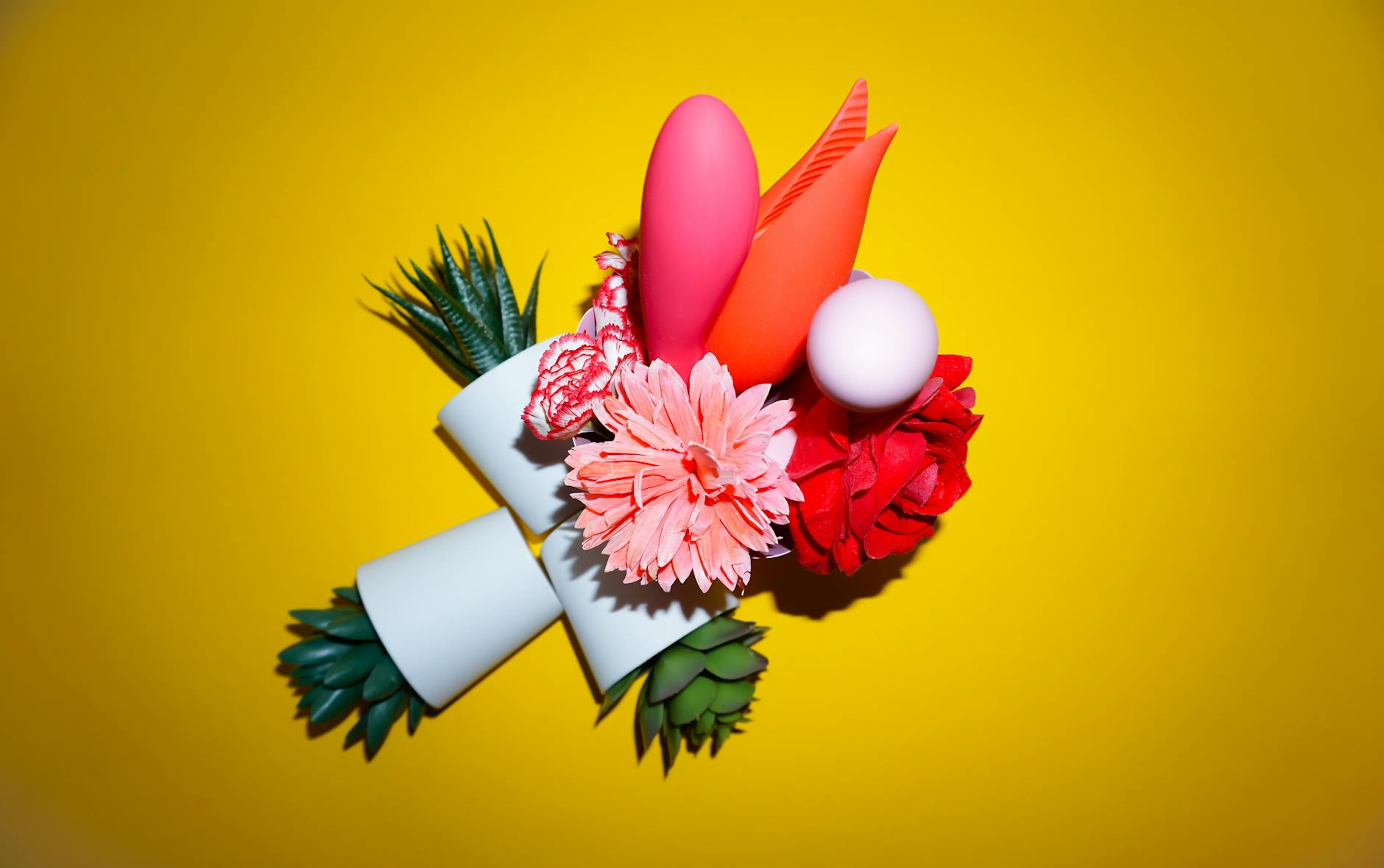
Let's talk about the elephant in the room
When you're trying to conceive, sex stops being about pleasure and starts feeling like a biological task. Your partner checks the calendar, you both feel the pressure, and what used to be intimate becomes... efficient. Then resentment creeps in. Then desire tanks. Then the whole thing feels impossible.
Here's what I see in my practice constantly: couples trying to conceive sabotage their own fertility by turning sex into performance. Stress literally suppresses ovulation and ejaculation. Orgasm actually helps with conception. But when you're focused on the calendar instead of the connection, orgasms become unlikely.
The lemon vibrator and other clitoral vibrators aren't a workaround. They're a way back to pleasure as part of conception instead of pleasure being the thing that gets sacrificed for conception.
Why pleasure matters more during fertility tracking than you think
Let me separate the biological facts from the emotional ones, because both matter.
Biologically: orgasm causes uterine contractions that help move sperm toward the egg. Female orgasm isn't essential for conception, but it doesn't hurt. More importantly, the relaxation that follows orgasm is the opposite of the stress response that can suppress reproductive hormones.
Emotionally (and this is where the real problem lives): when you remove pleasure from sex, you remove the thing that bonded you to your partner in the first place. You're both now focused on ovulation windows and timing. You feel like a vessel. Your partner feels like a tool. The intimacy that actually sustains a relationship through months of trying is gone.
That's where a lemon vibrator enters the picture. It reintroduces pleasure without disrupting the practical side of things.
How to use a lemon clitoral vibrator during your fertile window
First, timing. You don't need to restrict pleasure to your fertile window. Frequent sex throughout your cycle is fine and actually healthier for sperm quality. But during your fertile window, here's how to frame it differently.
Instead of "okay, it's day 14, we need to have sex," try: "it's day 14, let's make this good for both of us." Start with longer foreplay. This isn't time-wasting. Arousal time is essential for natural lubrication, which helps sperm travel, and for the cervical mucus changes that support conception.
Introduce the lemon vibrator as part of that foreplay. Suction-based stimulation from a lemon vibrator feels different from traditional vibration, and that difference can help. If you're person with a vulva, using the lemon vibrator on your clitoris before intercourse builds arousal naturally. If you have a partner, they can use it on you, which keeps the intimacy bilateral instead of turning it into a solo-pleasure-then-intercourse routine.
The rhythm matters more than the speed. Low settings (1-2 on most lemon vibrators) work best during fertility windows because you're not trying to chase an orgasm. You're building arousal, which primes your body for conception. Suction from a quality clitoral vibrator also engages more nerve pathways than traditional vibration, so it feels more integrated with the rest of your body instead of isolated.
Managing the emotional weight without losing the pleasure
Here's the conversation you actually need to have with your partner, and most couples skip this: "I don't want sex to feel like a task. Can we separate 'trying to conceive' from 'having good sex'?"
That sounds contradictory until you break it down. Trying to conceive is calendar-based. Having good sex is presence-based. You need both, but not at the same time.
On your fertile days, yes, you want intercourse. But frame that as "let's have sex today and make it count," not "we have to perform." Use the lemon vibrator and other clitoral stimulation as the foreplay that makes intercourse feel good instead of obligatory. This removes the performance pressure while keeping the biological window in play.
On non-fertile days, use the lemon vibrator alone or with your partner purely for pleasure. No agenda. No clock-watching. This is where the bond regenerates, where you remember why you want to conceive with this person in the first place.
The science of orgasm and fertility you need to know
Let's be clear about what the research actually says. Female orgasm isn't required for conception to occur. But here's what matters: the hormonal state of your body during sex affects fertility outcomes.
When you're relaxed and aroused, your cortisol drops. When cortisol is low, your reproductive hormones flow better. Oxytocin spikes during orgasm, and oxytocin supports the luteal phase and implantation. The uterine contractions that happen during orgasm can help sperm reach the egg, though they're not essential.
More practically: couples who enjoy sex stay consistent with attempts. Couples who dread it quit early or become resentful. The lemon vibrator's role isn't magical. It's practical. It makes the sex feel like something you want to do, not something you have to do.
Using a clitoral vibrator or lemon sucker also helps you understand your own body better. You'll notice how your sensation changes across your cycle. Some people find they're more sensitive to suction during certain phases. That data helps you know when you're actually fertile, independent of ovulation tracking apps.
When to introduce a lemon vibrator if your partner is new to toys
If your partner has never used a vibrator with you, the fertility window isn't the time to introduce it for the first time. That's too much context switching. Instead, practice with a lemon clitoral vibrator during a non-fertile week when there's zero pressure.
Use it together without any goal except to learn how it feels. Let your partner hold it. Let them notice how you respond. This is play, not practice for the real thing.
Once you both feel comfortable with it, it integrates naturally into your fertile-window foreplay. You're not introducing something new when you're already stressed about timing.
How lemon vibrators help when trying to conceive creates stress or low desire
Here's the version nobody admits: sometimes trying to conceive kills your libido. The pressure, the tracking, the disappointment of negative tests. That's normal and it happens to most people. It doesn't mean you don't want a baby. It means your nervous system is in overdrive.
A lemon vibrator can be a bridge back to desire, but only if it's framed right. Don't use it as "a way to get in the mood for duty sex." Use it as "a way to remember what pleasure feels like," independent of conception.
On days when you're not trying to conceive, using a lemon clitoral vibrator solo or with your partner is radical self-care during a fertility journey. It releases tension. It reminds your body that it's not just a vehicle for reproduction. It genuinely helps with the anxiety and stress that actually suppress fertility.
If you're in that place where desire has tanked entirely, this might be worth a conversation with a therapist who specializes in fertility counseling. A lemon vibrator is a tool, not a therapist. But it can help rebuild the physical intimacy that supports the emotional work.
The rhythm of pleasure across your cycle
Your body changes across your cycle, and that includes how pleasure feels. During the follicular phase (before ovulation), you might notice you want more intensity. A lemon vibrator on higher settings might feel great. During the luteal phase (after ovulation), you might prefer lower settings and longer build-up time.
This isn't weird. This is your body talking. Paying attention to how your sensitivity shifts is actually valuable data for understanding your cycle and your fertility.
When you're trying to conceive, that attunement becomes practical. You'll notice which phases feel best for partnered sex, which feel best for solo pleasure. That knowledge helps you plan intimacy without it feeling forced.
Common questions about lemon vibrators, pleasure, and conception
Can orgasm during sex affect conception negatively? No. Female orgasm doesn't interfere with conception. Male orgasm is necessary for ejaculation, so that's different. But for the person with a vulva, orgasm either helps or is neutral. It definitely won't hurt your chances.
Is it okay to use a lemon vibrator right before intercourse if we're trying to conceive? Absolutely. In fact, it's better. You'll be more aroused, which affects cervical mucus production and uterine receptivity. Just make sure you have natural lubrication or use a sperm-friendly lube afterward if you need it. Water-based lubes are fine. Avoid anything silicone-based or petroleum-based, which can reduce sperm motility.
Will a lemon vibrator dry me out or affect my cervical mucus? No. Suction-based stimulation doesn't change your natural lubrication or mucus production. It just helps you become aroused, which increases them naturally. If anything, a better arousal experience means better cervical mucus, which supports sperm travel.
What if my partner feels threatened by a vibrator? This is emotional, not practical. A lemon vibrator isn't a replacement. It's foreplay. Frame it that way. "I want to feel good during sex with you. This helps. It doesn't replace you." If that doesn't land, there's a deeper conversation needed about trust and insecurity. That conversation is worth having before you add more pressure by trying to conceive.
Is it weird to track my pleasure responses across my cycle? Not at all. You're already tracking ovulation. Tracking how your body feels is just more data. Some people find they orgasm more easily around ovulation. Others find the opposite. Neither is standard. Your normal is what matters.
Can a lemon vibrator actually improve my fertility chances? Indirectly, yes. It reduces stress, increases arousal, and helps you actually want to have sex instead of resenting it. It doesn't change your ovulation or egg quality, but it changes the conditions under which conception happens. A relaxed, aroused body is genuinely more fertile than a stressed, obligated one.
What matters most
Fertility journeys test relationships. The practical side (tracking, timing, medical stuff) is real and necessary. But the emotional side is what actually determines whether couples stay connected through it or drift apart.
A lemon vibrator or other clitoral vibrator is a small tool that solves a real problem: how do you keep sex intimate and pleasurable while also being intentional about conception. The answer is: you separate them mentally while keeping them together physically. Pleasure on non-fertile days. Pleasure plus intention on fertile days. Both guided by presence, not by pressure.
Your desire matters. Your pleasure matters. And yes, making a baby matters. They're not in conflict. You just have to be willing to talk about it openly and use the tools that help you stay connected to each other and to yourself.