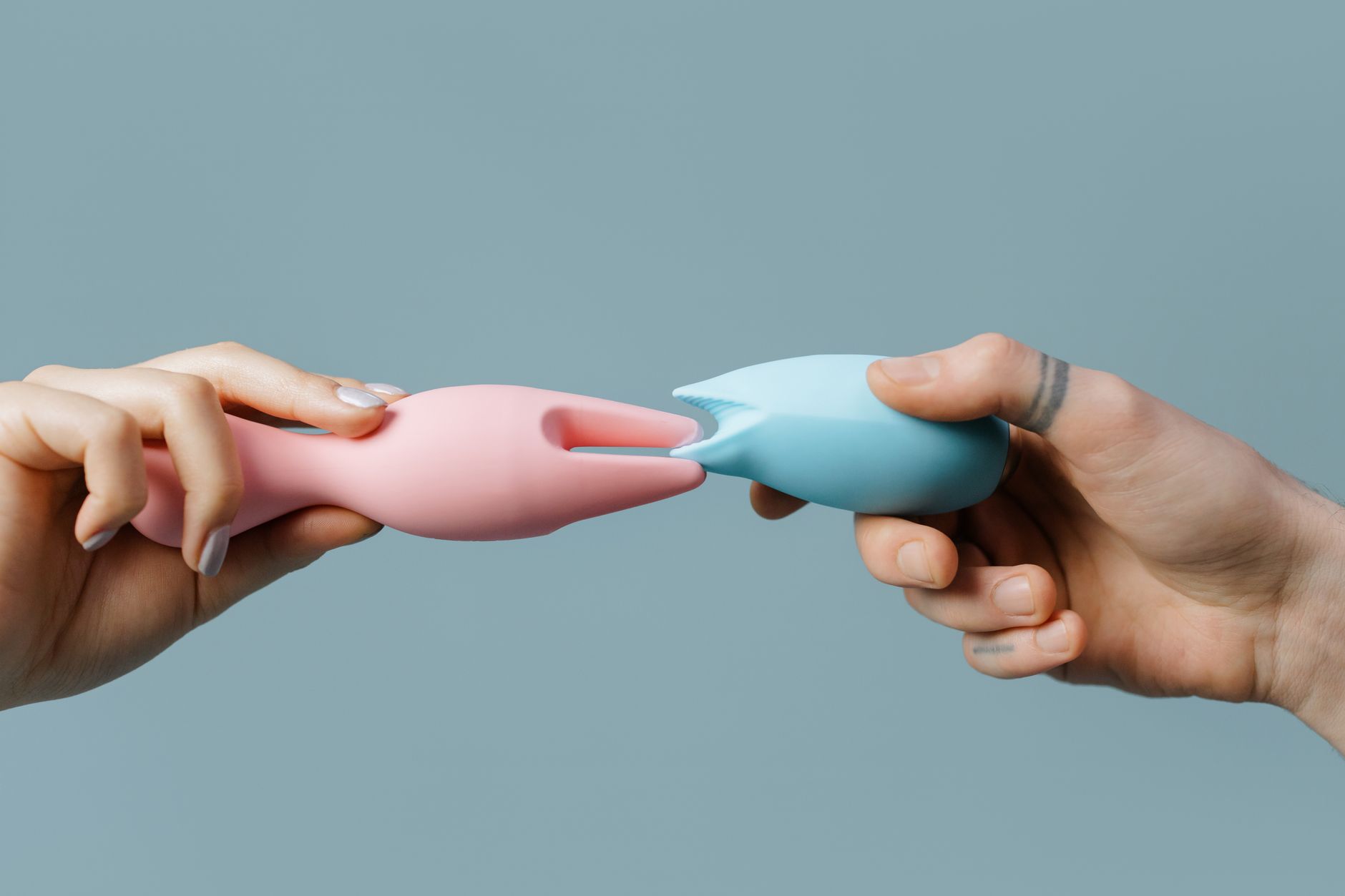
Let's be real about vulvodynia and pleasure
Vulvodynia is not something you caused. It's not in your head. And it definitely doesn't mean pleasure is permanently off the table. What it does mean is that your nervous system has learned to interpret touch as threat, and rebuilding that takes patience, the right tools, and a completely different approach to sensation.
I've worked with dozens of people recovering from vulvodynia, and the pattern is always the same: they spend months or years avoiding touch entirely, then try to jump back into their old rhythm and get crushed when it doesn't work. That's when tools like lemon clitoral vibrators become genuinely helpful. Not because they're magic, but because they work with your recovery timeline instead of against it.
What vulvodynia actually does to sensation
Vulvodynia is chronic pain in the vulva with no clear physical cause that doctors can see. The pain exists. The inflammation might not show up on ultrasound. Your body's threat detection system has stuck in the on position. This changes everything about how sensation feels.
Direct touch often feels sharp or burning. Light pressure sometimes feels worse than firm pressure. The anticipation of pain can trigger pain before anything even touches you. Your nervous system is hypervigilant, and that hypervigilance is the actual problem you're solving, not weakness or broken tissue.
Here's the counterintuitive part: vibration bypasses some of that hypervigilance. It's a different sensory pathway than direct pressure or stroking. The lemon vibrator uses suction and pulsing, not friction, which means it can activate pleasure nerves without triggering the pain response. That's not just helpful. That's the whole point.
Why suction-based vibrators work differently for vulvodynia recovery
When you're recovering from vulvodynia, direct contact feels like threat. Suction changes that equation. Instead of pressure on sensitive tissue, you get gentle lift and pulse. It's a completely different sensation, which means it's a different signal reaching your nervous system.
Lemon sexual toys work through air-pulse suction, not traditional vibration. This matters because suction stimulates deeper nerve clusters without the friction that triggers pain responses in many vulvodynia sufferers. You're also creating space and release rather than applying pressure. That distinction alone can make the difference between cringing and actually feeling something pleasurable.
The lemon clitoral vibrator's design also means you can use it through underwear or fabric at first, which removes the psychological threat of direct contact. You're retraining your brain that touch can be safe again, and layer by layer is exactly how that healing works.
Starting over: your first session framework
Don't use your vibrator when pain is active. Wait for a low-pain day or a moment when you feel relatively neutral. This isn't about toughing it out. This is about showing your nervous system that sensation can exist without pain.
Set aside 10 to 15 minutes in a space where you feel completely safe. Lock the door. Silence your phone. Lie down. Let your body settle. Do this before you touch anything. Your nervous system needs to know there's no emergency.
Start with the lemon vibrator on the lowest setting. Hold it over fabric or underwear first. Just hover it near the area without pressing. See what that feels like. Some people feel relief immediately. Others need a few sessions of just proximity before they're ready for actual contact. Both are normal. You're not behind.
When you move to direct contact, use water-based lubricant. Always. Vulvodynia often comes with dryness, and dryness means more friction, which means pain. Lubrication removes that friction threat. Apply it generously.
Move the vibrator slowly. Don't stay in one spot for more than 30 seconds. You're exploring, not targeting. Let the sensation move around. If something feels sharp or burning, lift off immediately. There's no prize for pushing through.
The pacing protocol that actually works
Week one: five minutes, lowest setting, over clothing, once every other day. You're building tolerance to sensation, not chasing orgasm. The goal is "that didn't hurt" not "that felt amazing."
Week two: move to direct contact with lubrication, lowest setting, seven to ten minutes, three times per week. Same principle. You're teaching your nervous system that sustained gentle touch is safe.
Week three and beyond: increase time only if it feels tolerable. Increase intensity only after you've spent at least two weeks at the current level. Add session frequency only when you're craving it, not forcing it. This is the opposite of trying harder. This is trying slower.
If you have a flare up, go backward. Spend a few days back at the lower intensity or time. Your nervous system is learning. It learns through consistency and safety, not through pushing limits.
Building sensation back into partnered intimacy
If you have a partner, have a conversation before you start using the lemon vibrator yourself. Tell them you're rebuilding sensation on your timeline. Tell them what that looks like. Tell them when you're not available and why. This isn't about protecting them from knowing. It's about letting them know you're taking action, and you need patience, not solutions.
Many partners feel powerless during vulvodynia recovery. Telling them "I'm working on this, here's my plan, here's how you can help" often shifts that for them. How they can help might be: "giving me space when I'm in pain," or "not initiating for the next month," or "checking in without trying to fix it."
When you're ready to include them, start with non-genital touch. Hands, back, inner thighs, anywhere that's not the vulva. Let sensation spread. Let your nervous system practice trusting touch in different zones. This isn't foreplay yet. This is nervous system retraining.
Only when direct vulvar contact feels genuinely safe and somewhat pleasurable should you bring the lemon clitoral vibrator into partnered experiences. Even then, keep it simple. Your partner might hold it. You might use it yourself. The lemon vibrator is your tool, not something that gets handed off without your consent or comfort.
Common roadblocks and what to do about them
If sensation still feels numb after three weeks, that's pain's cousin: numbness as protection. Your nervous system hasn't trusted that touch is safe yet. Don't increase intensity. Increase consistency. Use the vibrator more frequently at the same low setting. Frequency builds trust faster than force.
If you feel psychological fear even when pain isn't present, that's anticipatory anxiety. It's real and it's treatable, but it's not something a lemon sexual toy solves alone. Talk to a sex therapist or pelvic floor specialist. They can help you separate the memory of pain from the present moment. Some people benefit from somatic experiencing therapy or cognitive behavioral therapy specifically for pain. That's not a failure. That's you being smart about what actually helps.
If pain increases during or after use, stop immediately. Increase in pain means your dose is too high or your pace is too fast. Go back to the previous week's protocol. If pain increases even at the lowest level, you might need a break or professional guidance. A pelvic floor physical therapist can assess whether you're ready and what modifications might help.
When professional support matters
Vulvodynia recovery isn't something you solve with a vibrator alone. A good pelvic floor physical therapist can teach you nervous system regulation techniques that make all the difference. They can also rule out whether tension or trigger points are amplifying your pain.
A sex therapist trained in pain conditions can help you separate identity from vulvodynia and rebuild confidence. Vulvodynia often comes with shame and catastrophic thinking. "This will never get better." "I'm broken." "My partner will leave me." A therapist helps you untangle that from the actual facts of what's happening in your body.
Some people benefit from seeing a gynecologist trained specifically in vulvodynia. They know which topical treatments actually work, when low-dose antidepressants or anti-seizure medications help with pain perception, and how to optimize your recovery. Find someone who listens and doesn't dismiss your pain as psychological.
Your nervous system is learning
Recovery from vulvodynia isn't linear. You'll have good weeks and hard weeks. The lemon vibrator is a tool for the good weeks and the neutral weeks, when you're ready. It's not meant to push you through pain. It's meant to build evidence in your nervous system that sensation can be safe, that pleasure is still possible, and that your body hasn't abandoned you.
Be patient with yourself. You didn't cause this, and you're not being lazy by taking months to recover. You're retraining your nervous system. That takes time.
People also ask
Can I use a lemon vibrator if I'm still in significant pain?
No. Wait until you have days where pain is mild or absent. Using a vibrator during active pain teaches your nervous system that vibration means pain, which makes recovery harder. You're not losing progress by waiting. You're protecting your recovery timeline.
Will using the lem vibrator make my vulvodynia worse?
If you use it slowly and respect your pain signals, no. If you use it aggressively or try to push through pain, yes. The difference is listening to your body. The lemon clitoral vibrator gives you the tool. You provide the wisdom about when and how to use it.
How long does vulvodynia recovery usually take?
That varies wildly. Some people recover in months. Others take a year or more. It depends on how long you had it, what caused it, whether you're getting professional support, and how consistent you are with nervous system retraining. Recovery is possible. Timeline is unpredictable. That's frustrating and also true.
Should I use the lemon vibrator if I'm on gabapentin or another pain medication?
Maybe. If medication is helping your pain baseline, using a lemon sexual toy might feel more tolerable. But talk to your prescribing doctor or a pelvic floor physical therapist about whether it's a good time. Some people benefit from optimizing medication first, then adding sensation work. Others do better with both simultaneously. There's no universal protocol.
Can my partner use the lemon vibrator on me if I have vulvodynia?
Only if that feels emotionally safe and you're comfortable. Many vulvodynia sufferers want to keep sensation self-directed at first because it preserves your control and pacing. Let it be your choice. If your partner wants to help eventually, that's something to explore when you feel ready, not before.
What if I've recovered and want to use the lem vibrator for pleasure normally?
Then you get to enjoy it like anyone else. The lemon vibrator works beautifully for typical pleasure too. The suction-based design and gentle pulsing make it a standout clitoral vibrator for anyone. If you've recovered from vulvodynia, you've rewired your nervous system. You deserve to feel good.