Let's talk about what doctors don't mention
Surgery changes your body. Sometimes that means stitches in obvious places. Sometimes it means deep tissue changes you can't see. And almost nobody mentions what happens to your capacity for pleasure in the weeks after.
The truth: recovery doesn't mean you're done with sensation. It means being strategic about how you reintroduce it.
Why recovery feels different down there
Depending on the type of surgery, you might be dealing with a few things at once. If it's gynecological surgery (hysterectomy, fibroid removal, endometriosis excision), your pelvic tissues have undergone trauma. They're swollen, tender, and genuinely sensitive right now. Systemic inflammation affects nerves, which means sensation can feel muted or oddly sharp.
If it's abdominal surgery of any kind, the surrounding tissue is affected too. Your pelvic floor tightens instinctively as a protective response. You're also likely on pain medication, which can numb sensation or make arousal feel sluggish.
The nervous system needs time to recalibrate. That's not weakness. That's biology.
Why a lemon vibrator makes sense during recovery
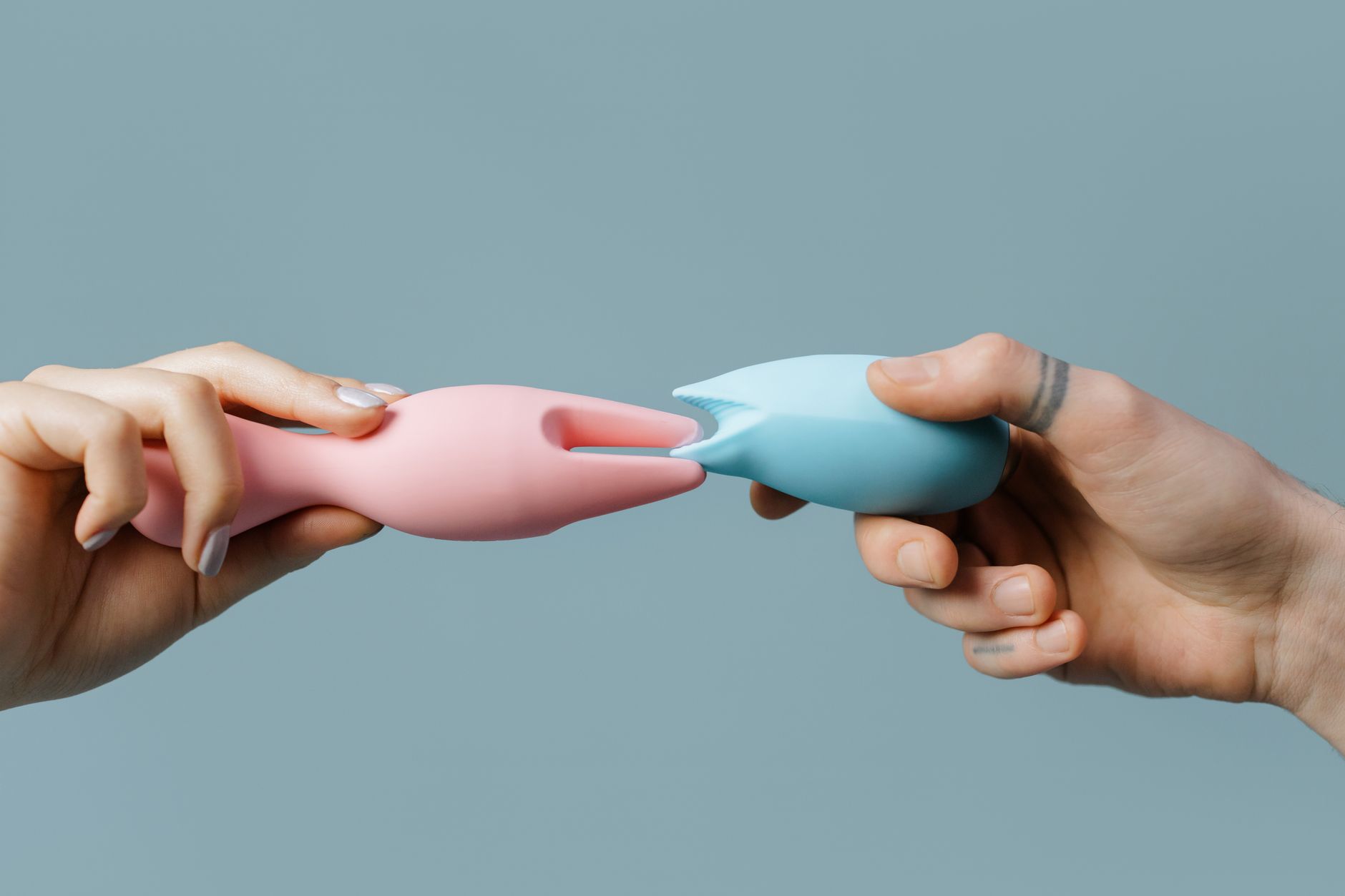
Most traditional vibrators rely on rapid, direct friction against sensitive tissue. After surgery, that's exactly what you don't want. A lemon clitoral vibrator, by contrast, uses gentle suction stimulation. This approach has three major advantages during healing.
First: no direct pressure. Suction stimulates nerve endings without the mechanical friction that can irritate freshly healing tissue. You get sensation without aggressive contact.
Second: adjustable intensity. The lem vibrator and similar lemon sucker devices let you dial in exactly how much stimulation feels good today. You're not locked into one intensity level while your body's tolerance is shifting.
Third: activation without effort. During recovery, even positioning can be uncomfortable. A lemon vibrator does the work. You're receiving pleasure, not generating it through muscle contraction, which matters when your pelvic floor is already in protective mode.
The timeline: when to start
Clear this with your surgeon first. That's not negotiable. Most gynecologists recommend waiting 4-6 weeks before any penetrative activity or intense stimulation. Non-penetrative pleasure can sometimes resume sooner, depending on the surgery type and your individual healing.
Asking your doctor directly is awkward, and also the right move. Frame it simply: "When is it safe to use a small external vibrator for clitoral stimulation?" They've heard this before. Their answer matters more than internet advice.
Once you get the green light, start gentle. This isn't about climaxing. It's about reintroducing sensation slowly.
How to actually use a lemon vibrator during recovery
Week 1 after clearance: observation phase. Use the lowest setting on your lemon clitoral vibrator. Spend 2-3 minutes touching it to the outer labia, not directly on the clitoris. You're testing how your body responds, not chasing arousal. Notice what feels numb, what feels tender, what feels surprisingly good. There's no goal here except information.
Week 2-3: gentle building. If week one went fine, you can move the suction slightly closer to the clitoris. Still lowest setting. Still 3-5 minutes. Your nervous system is waking up. Let it happen at its own pace.
Week 4 onward: gradual intensity increase. Once sensation returns and comfort improves, you can experiment with higher settings. This is where the adjustability of a device like the lem vibrator becomes valuable. You control the pace completely.
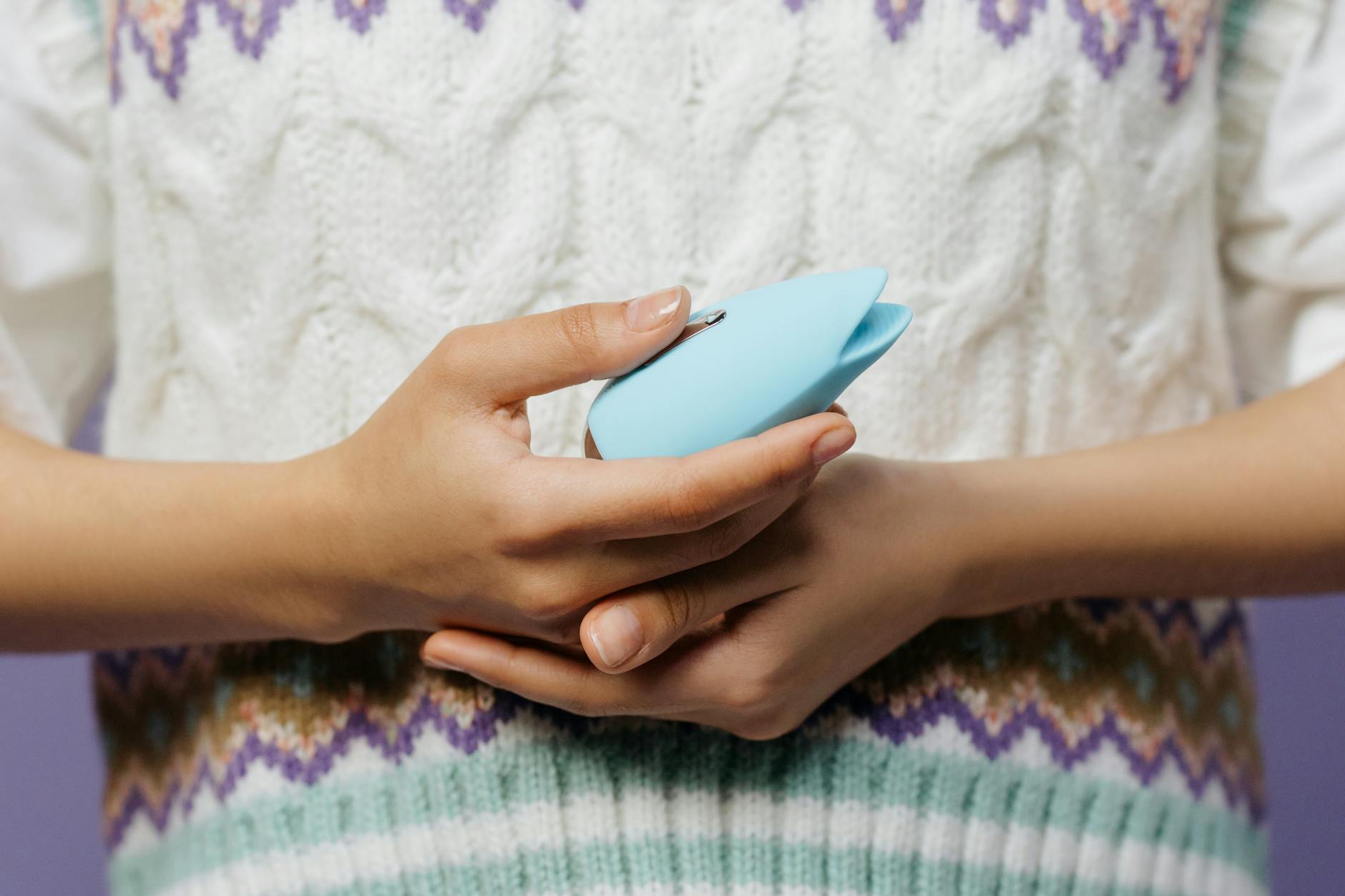
Photo by cottonbro studio on Pexels
What sensations to expect (and what to avoid)
You might feel: tingling, warmth, a gradual increase in arousal, maybe surprise at how little sensation is actually there right now. All of that is normal.
Stop immediately if you feel: sharp pain, stinging, burning, or any sensation that feels like it's pulling at your incision site. Discomfort is a signal. Listen to it.
Some numbness is expected. Nerve damage from surgery can take months to resolve. If sensation doesn't improve after 8-12 weeks, mention it to your surgeon. Sometimes physical therapy helps.
The emotional side matters as much as the physical
Recovery can feel like your body betrayed you. Surgery, even necessary surgery, creates a rupture. Adding pleasure back in isn't just physical. It's a way of reclaiming your body and telling yourself that you're healing.
If you have a partner, communicate clearly about what you're doing and why. You might want to explore a lemon vibrator together, or you might need solo time to figure out what feels good again. Both are valid. How to use a lemon vibrator with your new partner without awkward conversations has specific language you can borrow if you need help starting that discussion.
If you're on pain medication that's blunting sensation overall, that's also temporary. Once you taper down (with your doctor's guidance), sensation often returns. Patience here is crucial.
Lubrication matters, maybe more than before
During surgery and recovery, hormonal fluctuations are real. Even if your surgery wasn't hormone-related, anesthesia and stress affect your system. You might have less natural lubrication than usual.
Use a water-based lube with your lemon vibrator. Not because something is wrong with you, but because it reduces friction and adds comfort. Reapply as needed. There's no rule that says recovery should feel dry and tight.
When to check back with your doctor
If pain increases after two weeks of gentle use, something's wrong. If you're still unable to touch the area without significant discomfort after 8 weeks, get it checked. If sensation doesn't return or gets worse, that's also worth reporting.
Your surgeon needs to know if pleasure rebuilding is causing problems. This isn't embarrassing information. It's clinical data about your healing.
Why this matters for your recovery
Pleasure is part of healing, not a distraction from it. When your nervous system experiences positive sensation, it sends signals of safety. Your body starts to believe recovery is happening. Pleasure activates the parasympathetic nervous system, the one that actually does the healing work.
Using a lemon vibrator during recovery isn't about forcing orgasms or pretending everything's fine. It's about gently introducing your body to sensation again, at a pace that feels good, with a tool that doesn't add pressure or strain.
Your body did something hard. It deserves to feel good again. A lemon clitoral vibrator, used thoughtfully, can be part of getting there.
People also ask
How long after surgery can I use a vibrator?
Wait for your surgeon's clearance, typically 4-6 weeks after gynecological procedures, longer for abdominal surgery. Even after clearance, start with the gentlest settings and shortest sessions. Your surgeon's timeline is specific to your procedure, so ask them directly rather than assuming a standard recovery window.
Will using a lemon vibrator delay my healing?
No, if used gently after medical clearance. Gentle stimulation promotes circulation and nerve activation, both of which support recovery. The key is avoiding direct pressure on healing tissue or anything that increases inflammation. If you notice increased pain, swelling, or discharge after use, scale back and contact your doctor.
Can I use a lemon sucker if I'm still taking pain medication?
Yes, but with awareness. Pain medication can numb sensation, so you might not feel discomfort as clearly. Use the lowest settings and watch for physical signs of irritation rather than relying on how it feels. Once you're off pain medication, sensation typically returns and your recovery picture becomes clearer.
What if I have stitches or an active incision?
Wait. Any vibrator use should happen only when your incision is fully closed and any stitches are removed. Your surgeon will tell you when that milestone is reached. Once internal healing is further along, external clitoral stimulation is typically safer than it was in the first few weeks.
Is numbness after surgery permanent?
Usually not. Nerve recovery can take 3-12 months depending on the surgery type and extent of tissue disruption. Some sensation returns gradually. If numbness persists beyond a year or worsens, mention it to your surgeon or ask for a physical therapy referral. Pelvic floor specialists can sometimes help speed nerve recovery.
Can a lemon vibrator help with the emotional side of recovery?
Yes. Reclaiming pleasure and sensation is part of reclaiming your body after surgery. It's a way of affirming that you're healing and that your body is still capable of feeling good. The psychological reset matters as much as the physical sensation does. If recovery involves anxiety or body image shifts, consider how to use a lemon vibrator for anxiety during sex for specific strategies around that.
The recovery plot twist
Many people discover that post-surgical recovery is actually when they figure out what pleasure means to them. Without the old patterns, without the rush, without the pressure to perform a certain way, sensation comes back different. Sometimes better. Not always easier, but more intentional.
A lemon vibrator is just a tool. The real work is giving yourself permission to feel good again, on your body's timeline, without judgment. Start low, go slow, and notice what happens. Your recovery might surprise you.