When the gap feels too real
You've been out of the game. Maybe it's been months. Maybe longer. And now that you're thinking about sex again, or someone new is in your life, you're realizing your body doesn't automatically switch back on the way you expected it to. That's not broken. That's normal.
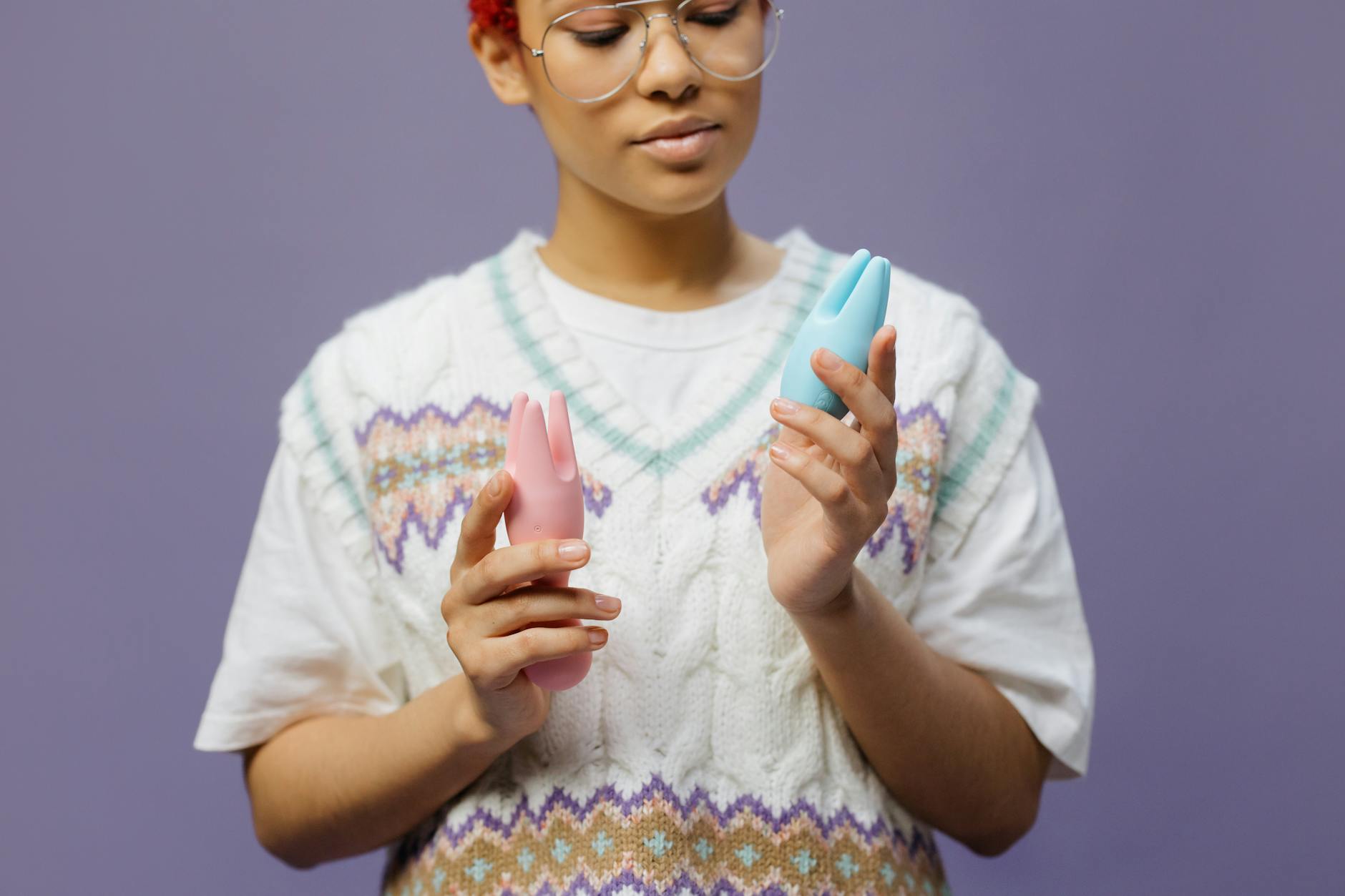
When we step away from sexual activity, our bodies literally recalibrate. Arousal patterns shift. Sensitivity changes. Your nervous system has been running a different program, and just thinking about sex again can trigger stress, self-consciousness, or blank numbness. A lemon clitoral vibrator isn't about forcing arousal. It's about giving your body a safe, controlled way to remember what pleasure feels like, at your pace, without anyone watching or waiting.
Why the gap changes your body
This isn't psychological weakness, and it's not about attraction. When you're not sexually active for an extended period, several physical things happen:
Pelvic blood flow decreases. Arousal depends on increased blood flow to the clitoris and vulva. If that pathway hasn't been activated in months, your body's response time slows down. It doesn't mean you can't get aroused anymore. It means you need more time and often more direct stimulation to wake that system up.
Neural pathways get rusty. Your brain's pleasure circuits are like muscles. When you stop using them, the neural connections weaken. You might feel numb during solo exploration or with a partner. That's temporary, but it's real.
The nervous system recalibrates to non-sexual baseline. If you've been stressed, grieving, or just living a quiet solo life, your nervous system has adjusted to that calm state. Arousal requires a shift into a more activated state, and your brain might resist that shift at first.
Sensation awareness fades. You might have forgotten how intensely you used to feel certain touches. Or you might have retrained yourself to ignore sexual signals entirely. Either way, reconnecting takes intentional practice.
Starting with solo exploration, no stakes
The single best thing you can do before navigating partnered sex is to explore pleasure alone. This isn't selfish. It's foundational. You're relearning your own map.
Set aside 30 minutes when you're alone and not rushed. Not in bed at 11 p.m. when you're exhausted. A time when you can actually be present. Turn off your phone. A warm bath beforehand helps, not because you need permission to relax, but because warmth literally increases blood flow and sensitivity.
Start with touch. No vibrator yet. Notice your skin. Run your fingers over your inner thighs, your chest, your neck. This isn't about going straight for genital touch. This is about your nervous system remembering that your body can feel good.
When you've spent 10-15 minutes on non-genital touch and you notice any shift in your breath or heart rate, you're ready for the lemon vibrator. Start on the lowest setting. Place it against your outer labia first, not directly on the clitoris. The external suction of lemon vibrators works differently than traditional vibrators. Instead of penetration or direct pressure, suction gently stimulates the clitoral complex from the outside. This is gentler on a body that's been dormant, and it often feels less intense psychologically because you're not being invaded.
Let yourself explore patterns and sensations for at least 15-20 minutes without aiming for orgasm. Orgasm is not the goal here. Sensation is. Presence is.
The first few times: what to expect
You might not feel much the first time. That's okay. Your body is waking up. Some people report mild sensation. Some feel almost nothing. Both are normal.
You might also feel awkward or self-conscious, even alone. That's your nervous system being defensive. It's learned to protect you during the gap. Acknowledge it and keep going.
You might feel emotionally activated. Grief, sadness, or even anger can surface during pleasure after a long absence. That's not a sign to stop. That's your nervous system processing the gap. Sit with it.
By the third or fourth solo session, your body usually starts to respond more noticeably. Blood flow increases. The clitoris engorges slightly. Sensation intensifies. This is your system waking up.
Before you bring a partner in
Once you've reconnected with solo pleasure and feel more confident in what feels good, you have a choice about when and how to include a partner. Here's what I recommend.
Tell your partner (new or returning) that you've been away from sex for a while and your body needs a gentler re-entry. This isn't a performance review of them. It's a boundary. You're not in a rush. You want slow. You want check-ins. You want to use a lemon vibrator not as a performance tool, but as part of your pleasure exploration together.
Start partnered sessions with the same no-goal approach you used solo. Touch each other without penetration or orgasm pressure. If the lemon vibrator comes out, you can hold it, or they can, but the focus is sensation, not climax.
Some people find it helpful to use the vibrator during foreplay but not during intercourse at first. That creates a boundary between what's solo and what's partnered, which can ease the psychological transition.
Others integrate it fully into partnered sex from the start. There's no wrong way. The point is that you're in control of the pacing and the intensity.
Managing the mental side
Honestly, the mental piece is often harder than the physical piece. You've spent months or years not thinking of yourself as sexual. Your brain has built a story about that. "I'm not the kind of person who wants sex." "I've changed." "I'm too old for this." "It won't work anyway." These stories are protective, but they're also limiting.
Using a lemon vibrator is as much about contradicting that story as it is about physical stimulation. Every time you set aside time to explore your own pleasure, you're telling your nervous system: "I'm allowed to want this. I'm allowed to feel good. This is part of my life."
That takes repetition. It takes patience. It takes you being willing to look a little awkward or uncertain.
When to use a lemon vibrator versus other tools
A lemon clitoral vibrator is particularly useful during the gap-recovery phase because it doesn't require penetration readiness. Your vagina might be less lubricated than you remember. Your pelvic floor might be tighter. Your emotional readiness for internal touch might be uncertain. A lemon sucker bypasses all that. You're working with external stimulation only, which means less complexity and less pain risk.
If you do want to use internal toys, wait until you've rebuilt some arousal capacity solo. When natural lubrication decreases with age or inactivity, water-based lube becomes essential.
Pacing when partnered sex returns
If you're now with a partner and wanting to reintegrate full sexual activity, don't go from zero to full intercourse. That's how you end up with pain, pressure, and the desire to stop having sex again.
Instead, expand gradually. Week one: solo exploration with the lemon vibrator. Week two: partner touches you while you use the vibrator. Week three: you both use hands and the vibrator together. Week four: add external genital contact without penetration. Week five: revisit intercourse if it feels right.
This isn't a rigid timeline. Some people move faster. Some slower. The point is that you're building sensation, confidence, and safety in layers.
A note on comparison and pressure
You might feel pressure to make up for lost time. To prove you're back to "normal." To perform for a new partner. Resist that. A gap in sexual activity is not a deficit. It's just a gap. Your pleasure is not measured by frequency or performance. It's measured by whether you feel present and connected when it happens.
Use the lemon vibrator as part of a pleasure practice that's about you, not about anyone else's expectations. Even when a partner is involved, your own sensation and consent should always come first.
Frequently asked questions
How long does it usually take to feel normal again after a sexual gap?
Most people notice significant improvement in arousal and sensation within 4-6 weeks of regular solo exploration. Some feel more ready within 2-3 weeks. Others take 8-12 weeks. There's wide variation, and that's normal. What matters is consistency, not speed. Three solo sessions a week with a lemon vibrator will usually show faster progress than sporadic attempts.
Is it normal to feel emotionally vulnerable when using a lemon vibrator after a long gap?
Yes. Pleasure and emotion are linked. If you've been in a protective or numb state, reconnecting with your body's sensations can trigger tears, laughter, or unexpected sadness. That's not a sign to stop. It's your nervous system processing. Let yourself feel it. Afterward, journaling or talking it through can help integrate the experience.
Should I tell a new partner I'm using a lemon vibrator to rebuild after a gap?
That depends on your comfort level. If you're in a relationship where openness is valued, yes. It removes shame and often helps them understand why you might need a slower pace. If it's very early dating, you can keep it private for now. But eventually, honesty about your needs builds better sex and better connection.
Can a lemon clitoral vibrator help if I'm worried I won't be able to orgasm after a gap?
Absolutely. The suction mechanism of a lemon vibrator is particularly effective at building arousal and orgasm capacity because it mimics the way many people naturally stimulate themselves. Most people find that consistent use over 3-4 weeks significantly improves orgasm accessibility. Don't aim for orgasm at first. Just use it for sensation. Orgasm usually follows naturally once your body remembers how.
What if I use a lemon vibrator solo but feel pressure with a partner?
That's common and worth exploring. Sometimes the gap has also created relational friction. When you feel disconnected from your body or your partner, rebuilding takes patience and often outside support. Consider whether you need a conversation with your partner about what you need, or whether you need a few more weeks of solo rebuilding before adding partnered pressure back in.
Is it okay to use a lemon vibrator if I'm still not sure if I want to be sexual again?
Yes. Exploration is not a commitment. You can use a lemon vibrator to check in with your body without deciding anything about whether sex is right for you long-term. Some people find that solo pleasure returns before partnered desire does. Other people realize they're not actually interested in sex anymore, and that's also valid. The vibrator is a tool for discovery, not a deadline.
The bottom line
A gap in sexual activity rewires your body and your nervous system. That's real. But it's also reversible. A lemon clitoral vibrator gives you a way to reconnect with your own pleasure on your timeline, without performance pressure or shame. Start solo. Stay consistent. Be patient with yourself. And remember: the goal isn't to rush back to "normal." It's to build a sexual life that actually feels good to you now, not to recreate what you had before the gap. That often ends up being better.