Pain during sex is a real barrier—and it's more common than you think
Let's start here: pain during sex is not something you need to white-knuckle through. It's not a sign your body is broken, and it's not a character flaw. But here's what it absolutely is—a signal that something needs to shift.
About one in four women experience pain during intercourse at some point. That number climbs higher for people recovering from injury, managing chronic conditions, or navigating major hormonal shifts. The problem isn't the pain itself. It's that pain during sex creates a feedback loop: you anticipate pain, your body tightens up, the tightness makes sex more painful, and desire evaporates.
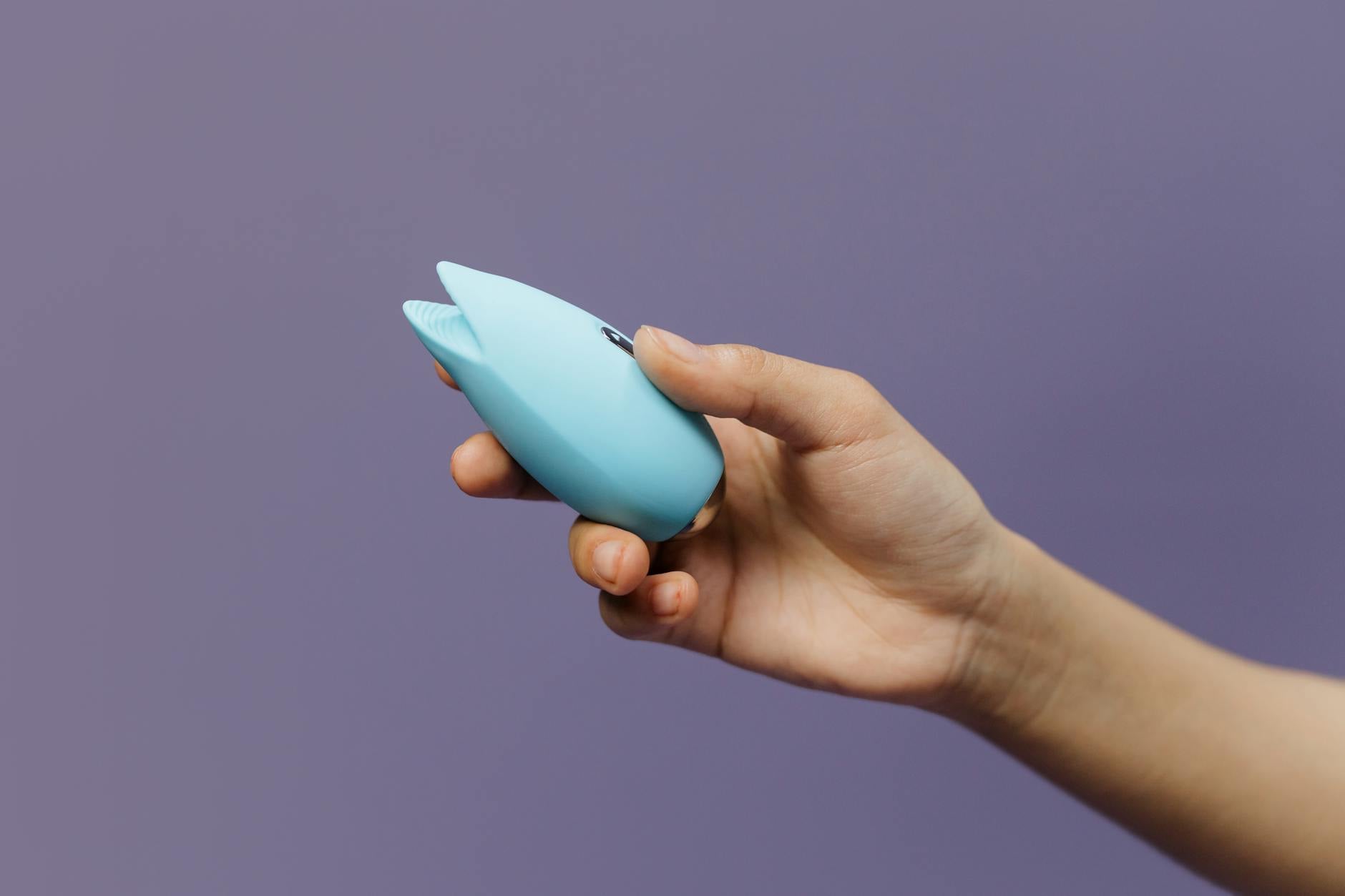
Clitoral stimulation—especially with a gentle, pressure-based tool like a lemon clitoral vibrator—can interrupt that cycle by delivering pleasure without the friction or depth that triggers pain.
What's actually causing the pain (and it's usually fixable)
Pain during sex has a few common culprits, and knowing which one applies to you changes everything.
Vaginismus and pelvic floor tension. Your pelvic floor muscles clench involuntarily—often as a protective response to anxiety, past trauma, or previous painful sex. The tighter they get, the more pain happens. Ironically, the more pain you experience, the tighter they clench. A lemon clitoral vibrator works well here because it bypasses penetration entirely while rewiring your nervous system to associate pleasure with sex again.
Insufficient arousal or lubrication. When you're not fully aroused, the vaginal tissues don't expand or lubricate properly. Sex feels dry, friction-heavy, and painful. This happens with medications, hormonal changes, or simply when foreplay is too short. The fix is building arousal slowly with something that feels good without pressure.
Tissue sensitivity from inflammation or infection. UTIs, yeast infections, endometriosis, or vulvodynia create raw, tender tissue. Penetration is excruciating. Clitoral stimulation with a gentle suction vibrator lets you experience pleasure without touching inflamed areas.
Scar tissue from childbirth, surgery, or injury. Scar tissue is less elastic than regular tissue. It pulls, it restricts, and penetration can feel like hitting a wall. Again, clitoral focus avoids that scar tissue altogether while pleasure is being rebuilt.
Psychological factors—anxiety, trauma, or relationship tension. Your brain and body are connected. If you're anxious about sex, bracing for pain, or emotionally disconnected from your partner, your nervous system will guard your pelvic floor. You'll tense up. Pain follows.
The clarity here matters: some of these need medical attention (infections, endometriosis, scar tissue). Others respond better to nervous system work, relationship repair, or pleasure practice. Most people have a combination.
Why clitoral vibrators help when penetration hurts
Here's the mechanics: a lemon clitoral vibrator uses suction and gentle pulsing. It doesn't push into your body. It works on external nerve endings—the clitoris has about 8,000 of them, most clustered at the surface.
This matters because:
-
No depth. If scar tissue, vaginismus, or pelvic floor tension is your issue, there's nothing to trigger the pain response. Your nervous system gets to experience pleasure safely.
-
Builds arousal without pressure. Gentle suction creates sensation without the mechanical friction of a vibrator pressing directly on sensitive tissue. You can control intensity precisely—start at level 1 or 2 and build.
-
Rewires the pain-pleasure connection. When your body consistently experiences pleasure during sex without pain, your nervous system stops bracing. Pelvic floor tension softens. Future experiences—with or without a vibrator—become less painful.
-
Works alone or partnered. You can use a lemon clitoral vibrator for solo pleasure (which rebuilds confidence), or with a partner focused on external pleasure while intercourse happens later or not at all. The pressure is off.
How to actually use a lemon vibrator when sex has been painful
Start with safety and communication. If pain has been happening during partnered sex, talk to your partner before you introduce a vibrator. Say something like: "I want to try something that feels good without pain. Can we focus on external pleasure for now?" That conversation alone often softens the tension.
Warm up your nervous system first. Spend 5–10 minutes on non-sexual touch. Kissing, skin contact, slow breathing. You're signaling to your body that this is safe. This matters more than it sounds.
Start on the lowest setting. A lemon clitoral vibrator's gentlest mode is already quite effective. You're not looking for intensity. You're looking for sensation that feels good without triggering the pain response. Many people find patterns 1–3 deliver more pleasure than higher settings.
Build duration slowly. Don't jump from no sexual pleasure to 20-minute sessions. Try 5–10 minutes, multiple times a week. Your nervous system needs time to reorganize. Repetition is what rewires it.
Use lubrication even though there's no penetration. A tiny bit of water-based lube on the external vulva helps the sensation feel smoother and reduces any friction sensitivity. It signals to your body that you're taking care of it.
Pay attention to your breath. If you notice you're holding your breath or tensing during use, pause. Tight breath = tight pelvic floor. Slow breathing down. The goal is relaxation that leads to pleasure, not tension chasing sensation.
When you need professional support alongside pleasure practice
A lemon clitoral vibrator is not a substitute for medical care. If pain is severe, happens consistently, or is new, see a gynecologist who specializes in sexual health. Endometriosis, pelvic inflammatory disease, and other conditions need diagnosis.
Consider pelvic floor physical therapy if vaginismus or muscle tension is the culprit. A pelvic floor therapist teaches you how to consciously relax those muscles. Combining that with pleasure practice—using a clitoral vibrator—accelerates the rewiring.
If anxiety, trauma, or relationship tension is driving the pain, working with a therapist makes sense too. I say this as someone trained in couples work: the body holds onto fear until the mind feels safe. Sometimes that requires professional help.
The permission you need to hear
Your pleasure matters enough to solve this. Not because your partner wants it, not because you should want it, but because you deserve to feel good in your own body without bracing for pain.
Using a lemon clitoral vibrator isn't a workaround. It's a tool for rebuilding a nervous system that's learned to associate sex with discomfort. Over time, with patience and consistency, most people who've experienced painful sex find their way back to comfortable, satisfying pleasure.
Start slowly. Pay attention to what feels good. Talk to your partner if you have one. And if pain persists, get professional support. Your body is worth it.
FAQ: Pain during sex and using clitoral vibrators
Can I use a lemon vibrator if I have endometriosis or pelvic inflammatory disease?
Clitoral stimulation with a gentle suction vibrator is often fine because it avoids deep penetration and internal tissue. That said, endometriosis and PID are inflammatory conditions. Check with your gynecologist before introducing new pleasure tools. If external clitoral stimulation feels good without triggering pain, a lemon clitoral vibrator can be part of your pleasure practice—but it's not treating the condition itself. Medical support comes first.
Will using a vibrator make the pain worse if I have vaginismus?
Not if you're using it correctly. The whole point is that clitoral stimulation avoids the triggering of pelvic floor muscles. Start on the lowest setting, use plenty of time for warm-up, and if you notice any tensing, slow down. Many people with vaginismus find that consistent, gentle clitoral pleasure actually helps their pelvic floor relax over time. You're teaching your nervous system that sexual touch is safe.
How long does it take for pain-free pleasure to come back?
It depends on what caused the pain and how long it's been happening. For anxiety-driven tension, some people notice shifts in a few weeks of consistent practice. For post-surgical scar tissue or endometriosis, it might take longer. The pattern matters more than speed: using your lemon clitoral vibrator regularly, noticing what feels good, and not pushing through discomfort. Trust the process over the timeline.
Is it normal to feel disconnected from pleasure even when pain isn't happening?
Completely normal. Pain trains your brain to avoid sex. Even when the pain source improves, your nervous system stays in protection mode. It takes time and repetition to feel safe again. That's where pleasure practice comes in. Using a lemon clitoral vibrator solo, with low expectations, helps rebuild that connection. You're not trying to orgasm. You're just noticing what feels good. That's the whole practice.
Can my partner use a lemon vibrator on me if penetration hurts?
Absolutely. In fact, this can be lovely for reconnection. Your partner focuses entirely on external pleasure—no pressure for penetration, no goal beyond sensation. Let them know what feels good as they explore. A lemon clitoral vibrator takes the guesswork out because it's designed for that exact purpose. For many couples rebuilding intimacy after pain, this shifts the dynamic from "trying to make sex work" to "exploring what actually feels good."
What if I'm on medications that affect arousal and sensation?
Some antidepressants, blood pressure meds, and antihistamines reduce lubrication and sensation. A lemon clitoral vibrator's suction mechanism often works better than vibration alone in these cases because it creates more noticeable sensation without relying on natural lubrication. Pair it with water-based lube, start low, and talk to your doctor if the medication is significantly affecting your quality of life. Sometimes a dosage shift or timing change helps.
Moving forward
Pain during sex is a stopping point, not an endpoint. How to use a lemon vibrator when arousal takes longer to build and how to rebuild intimacy after a relationship gap are related conversations—pleasure is always worth the time it takes to rebuild. If you have questions about what might work for your specific situation, reach out. We're here to help you find your way back to pleasure without pain.