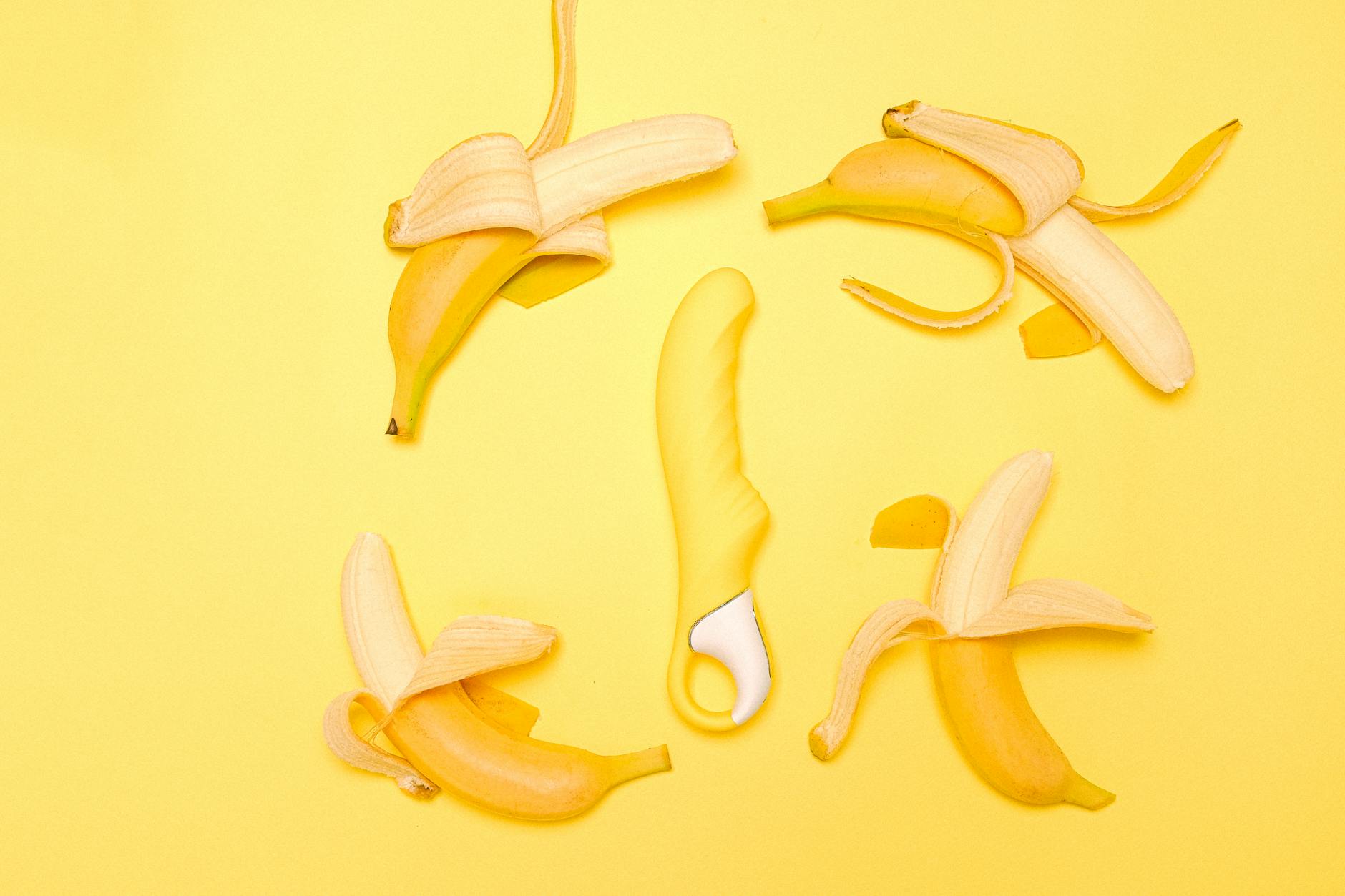
Let's be real about antidepressants and sex
Your antidepressant might be keeping you stable. It might also be making you feel like you're experiencing pleasure through three layers of glass. That's not a failure on your part. That's serotonin doing its job too well, flooding your brain in a way that dampens the dopamine spikes that drive arousal and orgasm.
The good news: sexual numbness from antidepressants is not permanent, and it's not a sign you need to choose between your mental health and your sex life. What you need is a different strategy.
How SSRIs and SNRIs actually affect sensation
Antidepressants don't directly numb your genitals. What they do is slow the signal chain between touch and brain. Serotonin regulates desire, genital blood flow, and orgasm threshold. When you're on an SSRI or SNRI, your serotonin stays in your synaptic space longer, which is excellent for anxiety and depression. It's less excellent for the cascade of neurochemical events that lead to an orgasm.
This happens to about 40-60% of people on SSRIs, depending on the medication and dose. It's not weakness. It's biochemistry.
The numbness feels like this: you can feel touch, but it's distant. Arousal builds slowly, if at all. Orgasm takes forever or doesn't happen. Some people describe it as watching pleasure happen to someone else.
Why a clitoral vibrator changes the equation
Here's where a lemon vibrator or other clitoral vibrator becomes genuinely useful, not just a workaround. Air-suction devices and high-frequency vibrators bypass some of the sensory dampening by delivering stimulation that's intense enough to cut through the numbness without requiring the cognitive focus that slower stimulation demands.
The clitoris has about 8,000 nerve endings packed into a tiny area. When sensation feels muted, you need stimulation that's concentrated and strong enough to register above the threshold your current medication has raised. A standard vibrator might feel like nothing. A lemon clitoral vibrator, with its unique suction pattern, often registers.
This is especially true with air-suction devices, which work differently than traditional vibrators. Instead of friction alone, they create a gentle sucking sensation that stimulates the clitoris in a way many people find more effective when dealing with numbness. It's not gentler. It's more direct.
Starting with pattern and intensity
If you've been numb for a while, you might expect to jump straight to high intensity. That's actually backwards. Start at pattern 1 or 2 on a lemon vibrator, lowest setting, for 10-15 minutes without expecting anything. This sounds counterintuitive, but you're retraining your brain to recognize pleasure signals, not chasing an orgasm.
Set a timer. Remove the goal. Your only job is to notice sensation: is it there? Is it different from yesterday? Does it feel like anything? This is data collection, not sex.
After a week or two of this, you can gradually increase intensity. Move to pattern 3. Try it during different times of day. Your brain's responsiveness to pleasure can shift depending on your circadian rhythm, cortisol, and whether you've eaten. Track what changes.
The medication conversation you need to have
Before you do any of this, talk to your psychiatrist. I mean actually talk to them, not hint. Here's the script: "My antidepressant is helping my mood, but it's affecting my ability to feel pleasure sexually. What are my options?"
Your doctor might suggest one of these:
Dose adjustment. Sometimes a tiny reduction in dosage restores sensation without losing symptom control. This takes trial and error.
Timing. Taking your SSRI at a different time of day, or a few hours after sex, can help. This doesn't always work, but it's worth asking.
Switching medications. Some antidepressants have less sexual side effects. Bupropion (Wellbutrin) and mirtazapine are often recommended if sexual side effects are severe. This isn't a quick fix, but it's an option.
Adding something. Doctors sometimes prescribe buspirone, sildenafil, or other medications specifically to counteract sexual side effects. Again, this requires a conversation with your prescriber.
Do not adjust your dose or stop taking your medication without talking to your doctor first. Depression relapse is real, and it's worse than numbness.
Partner sex and mismatched sensation
If you have a partner, the dynamic shifts. They might feel rejected if sex takes longer, feels different, or stops happening. You might feel pressure to perform, which makes numbness worse because anxiety further suppresses arousal.
Here's what I recommend: separate the two conversations. First conversation: "My body is responding differently to my medication, and I'm working with my doctor on options." Second conversation: "I still want us to be intimate, and here's what actually feels good right now."
Many couples find that using a lemon vibrator together, with your partner involved, actually rebuilds connection. It removes the pressure on penetration or manual stimulation to "work," and it gives both of you something to focus on that isn't about performance.
The suction pattern of a clitoral vibrator often feels different enough to your partner that it also reintroduces novelty. Sometimes that shift is what helps both of you remember why you wanted this in the first place.
Layering sensation to deepen the experience
Once you've gotten your baseline back (even if it's subtle), you can experiment with combining sensations. Temperature changes, for example. Some people find that alternating between warm and cool sensations helps bypass numbness because your nervous system processes temperature differently than it processes pressure alone.
Try a lemon clitoral vibrator on pattern 2 with a heating pad nearby. Switch between them. Or use lube that warms slightly (water-based, always, to protect silicone toys). Small shifts compound.
Timing also matters. Many people on antidepressants find that pleasure returns more easily in the morning or early afternoon than late at night. Others notice that it takes longer after a stressful day. These aren't failures. They're information. Use it.
When to expect things to change
Some people regain sensation in weeks. Others take months. A few find that their body adapts to the medication and sensation naturally returns after 6-12 months, even without any intervention. There's no timeline. But there is direction.
The point of using a clitoral vibrator during this time isn't just to have an orgasm. It's to keep your nervous system engaged with pleasure, to remind your brain that sensation exists, and to give yourself permission to want sex even when sex feels complicated.
Your mental health matters. Your sexual health matters too. They're not in competition.
People also ask
Can I use a lemon vibrator while on SSRIs?
Absolutely. Vibrators don't interact with antidepressants. What they do is deliver stimulation concentrated enough to sometimes cut through the sensory dampening that SSRIs create. Many people find that a clitoral vibrator is the only thing that registers when sensation feels numb. There's no harm in trying. Start low and patient.
How long does it take to regain sensation after starting a vibrator?
It depends on your body, your medication, your dose, and whether you're also working with your doctor on adjustments. Some people notice changes in 1-2 weeks. Others take 2-3 months. The key is consistency without pressure. Use it a few times a week, track what changes, and be willing to adjust your approach if something isn't working.
Should I tell my psychiatrist I'm using a vibrator?
You don't need to, but it can help. If you mention that you're trying a clitoral vibrator to rebuild sensation, your doctor has more information to work with when deciding whether a dose adjustment or medication change makes sense. Frame it as a tool you're using to reclaim your sexual health, which is true.
Do lemon vibrators work better than other vibrators for numbness?
Lemon vibrators, especially air-suction styles, work well for many people because they deliver stimulation that's distinct from traditional vibration. The suction pattern creates a different kind of pressure that some people find registers better through numbness. But everyone's different. What works for one person might not for another. If a lemon vibrator doesn't click, try a different pattern or intensity before giving up.
What if nothing works?
Talk to your doctor about changing medications, adjusting timing, or adding something that specifically targets sexual side effects. Sexual numbness that persists despite trying different approaches is worth a prescription change. You shouldn't have to choose between mental health and sexual pleasure. There are options.
Can I combine a vibrator with other techniques to improve sensation?
Yes. Mindfulness during pleasure actually helps, because it forces your brain to notice sensation instead of drift. Kegel exercises and pelvic floor work improve blood flow to the clitoris. Communication with a partner reduces performance anxiety, which helps. A vibrator isn't a magic fix. It's one tool in a set. Use multiple approaches.