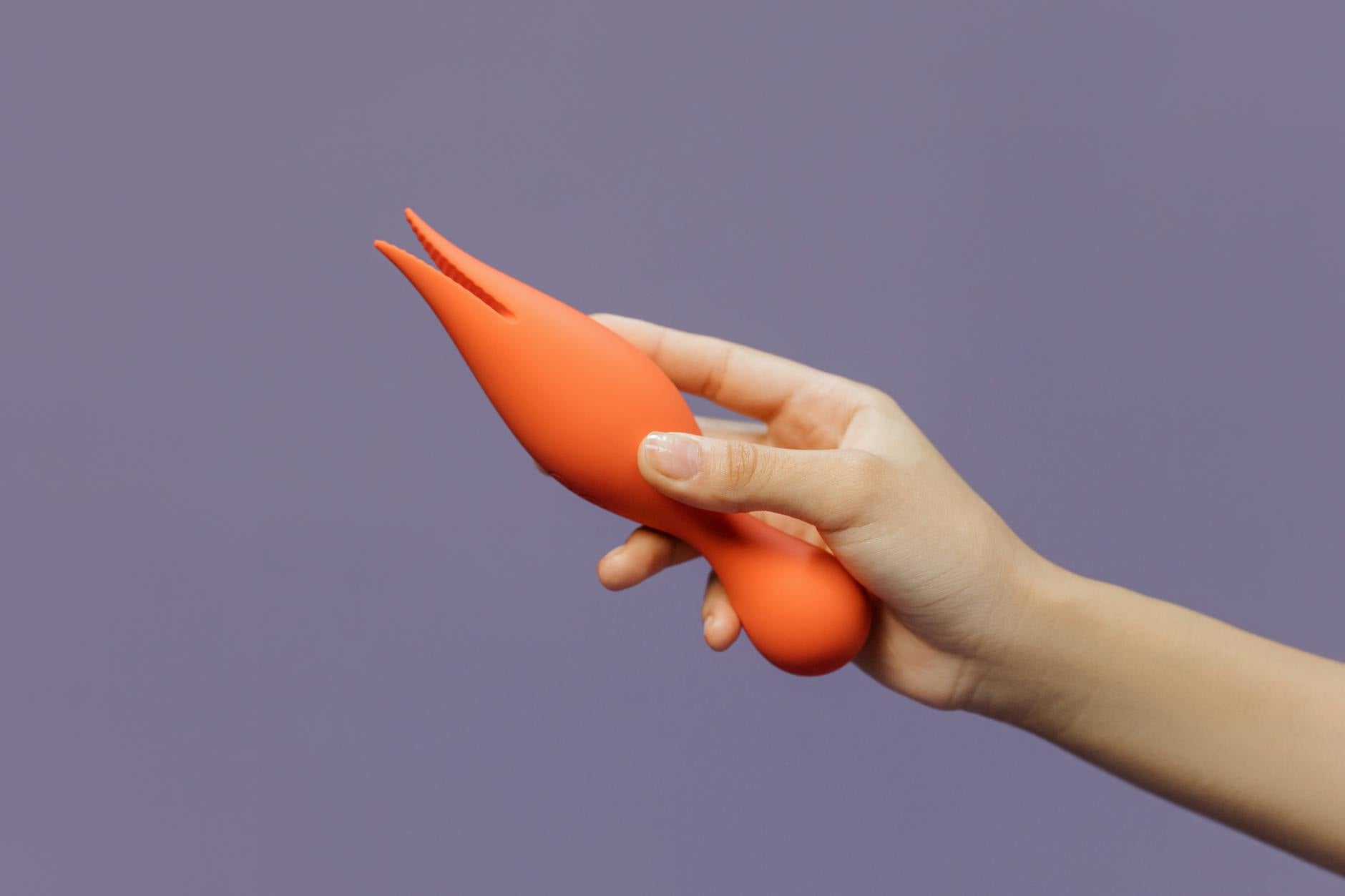
Here's what disconnection actually does to desire
When couples drift, the first thing that vanishes isn't love. It's easiness. The sex that once felt automatic becomes loaded. Every touch carries a question mark. You're both hyperaware of the gap, which makes closing it feel impossible. Nothing kills desire faster than the pressure to feel desire.
I've worked with hundreds of couples navigating this exact terrain. The good news is that reconnection doesn't require a reset button. It requires a different approach entirely.
Why a clitoral vibrator changes the equation
When emotional distance has muted sensation, a tool like a lemon clitoral vibrator shifts the dynamic in three specific ways.
First, it removes performance pressure. Instead of "can my partner arouse me," the question becomes "can we explore sensation together." That's radically different. One carries blame. The other carries curiosity.
Second, air-suction technology (the design of most lemon vibrators) bypasses direct friction in ways that feel less invasive when touch has felt complicated. If you've been touch-avoidant because of distance, suction creates sensation without the intensity of direct stimulation. It's gentler reentry.
Third, a vibrator gives you both permission to slow down. There's something about introducing a tool that signals "this isn't a performance, this is an experiment." Couples often move faster when they're trying to prove something. Tools give you permission to actually take time.
The three-stage framework for reconnecting
Stage One: Solo exploration (alone, with the tool).
Before you bring a partner into the room, you need to remember what your body actually wants. Not what you think you should want. Not what would fix the relationship. What actually feels good.
Set aside 20 minutes alone. No rushing to finish. Start at a low intensity on your lemon clitoral vibrator. Lemon vibrators typically have 5-7 pattern settings. Begin at pattern 1 or 2, which feels more like a hum than a buzz.
Pay attention to what rhythm your body gravitates toward. Does it want slow? Fast? Circular? Concentrated? This information matters. Many people discover they've never actually asked themselves these questions because they've been calibrating to a partner's rhythm.
You're not trying to have an orgasm. You're trying to reconnect with sensation. Orgasm might happen. It might not. Both are fine.
Do this 3-4 times before you move to stage two. Your nervous system needs to unlearn the pattern of "sex means obligation."
Stage Two: Parallel pleasure (same room, separate focus).
Now your partner is present, but you're not having sex. You're each doing your own thing.
Sit together with clothes on. Your partner reads. You use your vibrator on low. There's no expectation of shared outcome. You're simply normalizing pleasure in the presence of your partner without it being about them.
This sounds simple. It's actually revolutionary for disconnected couples. You're teaching your nervous system that your partner's presence doesn't equal pressure. You're demonstrating that your pleasure is separate from their arousal.
After a few of these sessions, you can progress to clothed touch while one person is using a vibrator. Your partner might touch your shoulder. Your neck. Not your genitals. Just reminder that they're there.
Stage Three: Shared exploration (together, but still separate from traditional sex).
Your partner is now invited into the experience, but you retain control of the tool and the pace.
You're using your lemon vibrator, and they're watching. Touching your arm. Maybe kissing your neck. They're present and engaged, but you're the one determining intensity and rhythm.
This is crucial. Many couples try to jump straight to partnered sex and immediately recreate the same dynamic that created distance in the first place. This stage builds a completely different foundation: you setting boundaries, you being in charge, your partner respecting that.
Your partner might ask questions. "Does that feel good?" "Want me to touch you here?" They're checking in, which is the antidote to the disconnection that created this dynamic.
Stay in this stage as long as it feels good. Weeks, months. There's no rush to return to penetrative sex.
What to actually expect emotionally
The first two weeks are often weird. You might feel self-conscious. Your partner might feel uncertain. That's normal and temporary.
Week three, something shifts. Most couples report that their partner seems more interested, more present. That's because you've removed the sting of rejection. You're no longer saying "I don't want you." You're saying "I want to explore this together in a different way."
Your nervous system will probably need time to trust that this isn't a trap. If sex has felt pressured, your body has learned to shut down during pleasure. A vibrator won't immediately override that. But consistent, non-pressured experience does rewire it over weeks.
Expect that some sessions will feel awkward. That's information, not failure. Awkwardness usually means you're approaching a boundary that needs conversation. Stop, talk, restart when you're ready.
The conversation you actually need to have
Before you introduce a tool, you need a five-minute conversation with your partner. Not about sex. About the disconnection.
Something like: "I've noticed we've drifted. I want to reconnect, and I want to do it in a way that doesn't feel like pressure for either of us. I'm thinking about bringing a vibrator into how we explore pleasure together. Not as a replacement for you, but as a way to slow down and check in with what actually feels good. What do you think?"
Then listen. Your partner might feel relieved. They might feel uncertain. They might have their own concerns about why you drifted. That conversation matters more than any tool.
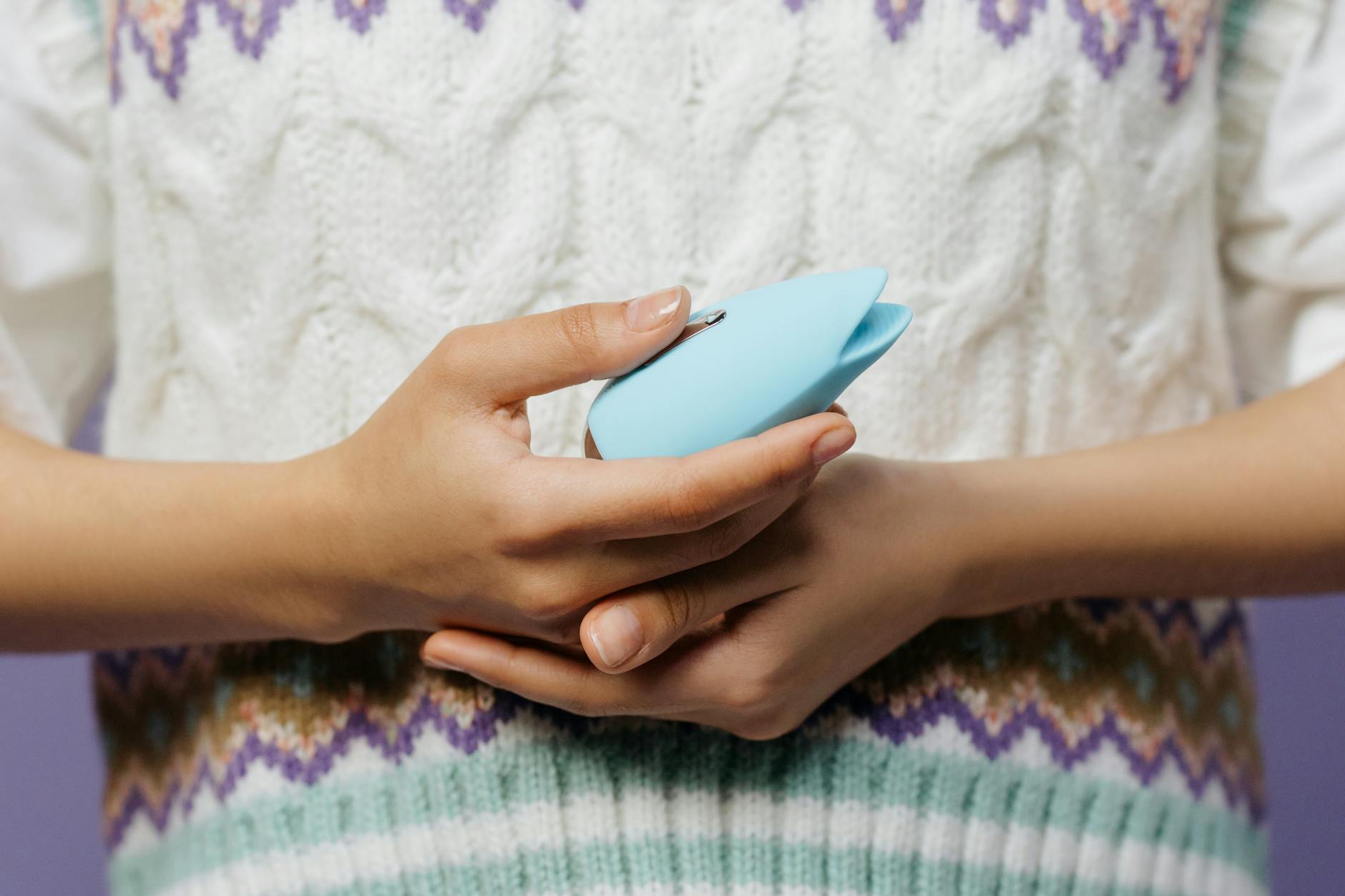
Photo by cottonbro studio on Pexels
The reality is that a lemon vibrator is a tool, not a miracle fix. It can't heal an unresolved argument or bridge a fundamental incompatibility. What it can do is create a container for something different to happen. It shifts the dynamic from "proving ourselves" to "exploring together." That shift is where reconnection actually begins.
Logistics that matter
Use water-based lubricant even if you don't think you need it. Disconnection sometimes comes with reduced lubrication. Lube isn't a signal that something's wrong. It's a signal that you're being practical.
Clean your vibrator afterward (see our care guide for specifics). Having a tool that's ready to use removes friction from the next session. You want this to feel easy, not like another thing to manage.
Start with lower intensity. Most people assume "vibrator" means "high intensity." Lemon vibrators offer a range. Explore pattern 1 and 2 for weeks before you touch pattern 5. Intensity isn't the goal. Connection is.
If you notice that one partner is interested and the other isn't, that's a different conversation. Don't push it. Resentment is the enemy of reconnection. If someone's hesitant, ask why. Really listen. Sometimes disconnection runs deeper than "we need better sex tools."
When to consider professional support
If you try this framework for 6-8 weeks and nothing shifts, or if the disconnection came from infidelity, financial conflict, or unresolved hurt, a couples therapist is worth the investment. A vibrator can't fix what a conversation should.
That said, I've watched couples use this exact progression and reconnect in ways they didn't expect. Not because the tool is magic, but because it gives them permission to slow down and actually pay attention to each other.
Disconnection happens in relationships. It's not a death sentence. It's a signal that something in the current dynamic isn't working. A lemon vibrator won't fix the relationship. But it can help you rebuild pleasure in a way that honors where you actually are, not where you think you should be.
Common questions about reconnecting with pleasure
How long does it usually take to feel connected again after emotional distance?
There's no standard timeline. Some couples reconnect in 4-6 weeks. Others need 3-4 months of consistent, low-pressure exploration. The key is consistency, not speed. One date night a week matters more than one intensive session. Your nervous system learns through repetition that pleasure with your partner is safe again.
What if my partner is uncomfortable with using a vibrator?
That's real and common. Sometimes partners worry that a vibrator means they're not enough. This is worth a direct conversation. You might say: "I'm not choosing this instead of you. I'm choosing this because I want to reconnect with my own pleasure, and I want you there while I do it. Does that make sense?" Sometimes partners feel more comfortable once they understand they're participating, not being replaced.
Can we use a vibrator during partnered sex, or should we wait until we're more connected?
There's no rule. Some couples feel more connected during partnered sex with a vibrator because the pressure's off and they're both focused on sensation. Others need to rebuild individual pleasure first. Pay attention to your own nervous system. If the idea of partnered sex still feels loaded, you probably need more solo and parallel exploration first.
What if I don't have an orgasm when using a lemon vibrator with my partner?
Orgasm isn't the goal in reconnection. Ease is. If you're focused on "will I come," you'll recreate the same pressure dynamic that contributed to disconnection in the first place. The goal is sensation and presence. Orgasm might happen. It might not. Both are success.
How often should we be exploring with a vibrator?
Once or twice a week is sustainable for most couples. More than that and it starts to feel like a job. Less than that and momentum gets lost. Pick a rhythm that feels natural, not obligatory.
Is it normal to feel emotional when reconnecting with pleasure?
Completely normal. Sometimes pleasure brings up grief about the disconnection. Sometimes it brings relief. Sometimes both. Crying during or after sex doesn't mean something's wrong. It often means you're finally allowing yourself to feel something you've been holding back.
Reconnection after distance isn't about returning to how things were. It's about building something new, something more honest about who you both are now. A lemon vibrator is just the tool that creates space for that to happen. The real work is showing up, staying curious, and being willing to slow down.