Let's be real about relationship distance
Long-term disconnection doesn't announce itself with a bang. It creeps in. One year you're having regular sex. The next, it's monthly. Then it becomes this thing you both kind of avoid talking about because naming it feels too heavy. By year five or six, the distance feels permanent. Normal. Like this is just who you are as a couple now.
Here's what I see in my practice: couples in this position often assume the problem is desire. It's not. Desire is still there, dormant under layers of hurt, resentment, mismatched schedules, and the simple exhaustion of not being seen. The good news? Rebuilding pleasure after long-term disconnection is absolutely possible. Not by ignoring the distance. By walking through it together, intentionally.
The three layers of reconnection
Before you talk about sex, understand that pleasure after years of disconnection requires three things to happen in order.
Layer One: Emotional Safety. When couples haven't been intimate for years, touching often feels loaded. Vulnerable. Like it could reopen conversations you've been avoiding. You can't rebuild pleasure without first establishing that this is a safe experiment, not a test of your marriage. Talk about it. Say: "I miss this. I miss you. I want to try rebuilding this, and I'm scared." Naming the fear is the first permission slip.
Layer Two: Non-Sexual Touch. Jump straight to sex after years apart and you'll both panic. Your nervous systems have learned that physical closeness equals complicated feelings. Rebuild the low-stakes version first. Hold hands while watching a show. Sleep skin-to-skin without expectation. A five-minute back rub. These seem small. They're foundational. Your bodies need to remember that touch can just be touch.
Layer Three: Intentional Exploration. Only after you've established safety and rebuilt basic non-sexual touch should you approach pleasure together. And when you do, make it low-pressure. The goal isn't an orgasm. The goal is to feel. To be present. To remember what sensation feels like.
Why mutual curiosity changes everything
The couples I work with who successfully reconnect share one thing: they approach it as mutual curiosity rather than performance anxiety. "Let's see what feels good" lands completely differently than "we need to fix our sex life."
This is where many people get stuck. After years of not having sex, reintroducing pleasure feels fraught. What if I don't orgasm? What if they don't want me? What if it's awkward?
It might be. For a visit or two. And that's fine. Awkwardness is the price of reconnection. Lean into it.
Starting the physical conversation
Most long-disconnected couples benefit from starting with self-pleasure rather than partnered sex. This sounds counterintuitive until you remember that you've probably also stopped touching yourself. Your relationship to your own body has atrophied too.
Spend a week or two rediscovering solo pleasure. Not as a substitute for partnered sex, but as a foundation for it. You need to remember what your body likes before you try to communicate that to someone else.
Then, when you're ready, invite your partner into the room. They don't have to touch you. They just have to witness your pleasure. Be present. This is extraordinarily vulnerable and extraordinarily powerful. When your partner sees you experience pleasure, something shifts. You're not a "broken" couple. You're two people who are brave enough to try.
Using tools to lower the activation energy
One of the reasons many couples get stuck is that partnered sex after years apart feels like it has to mean something. Has to be perfect. Has to prove the relationship is healing.
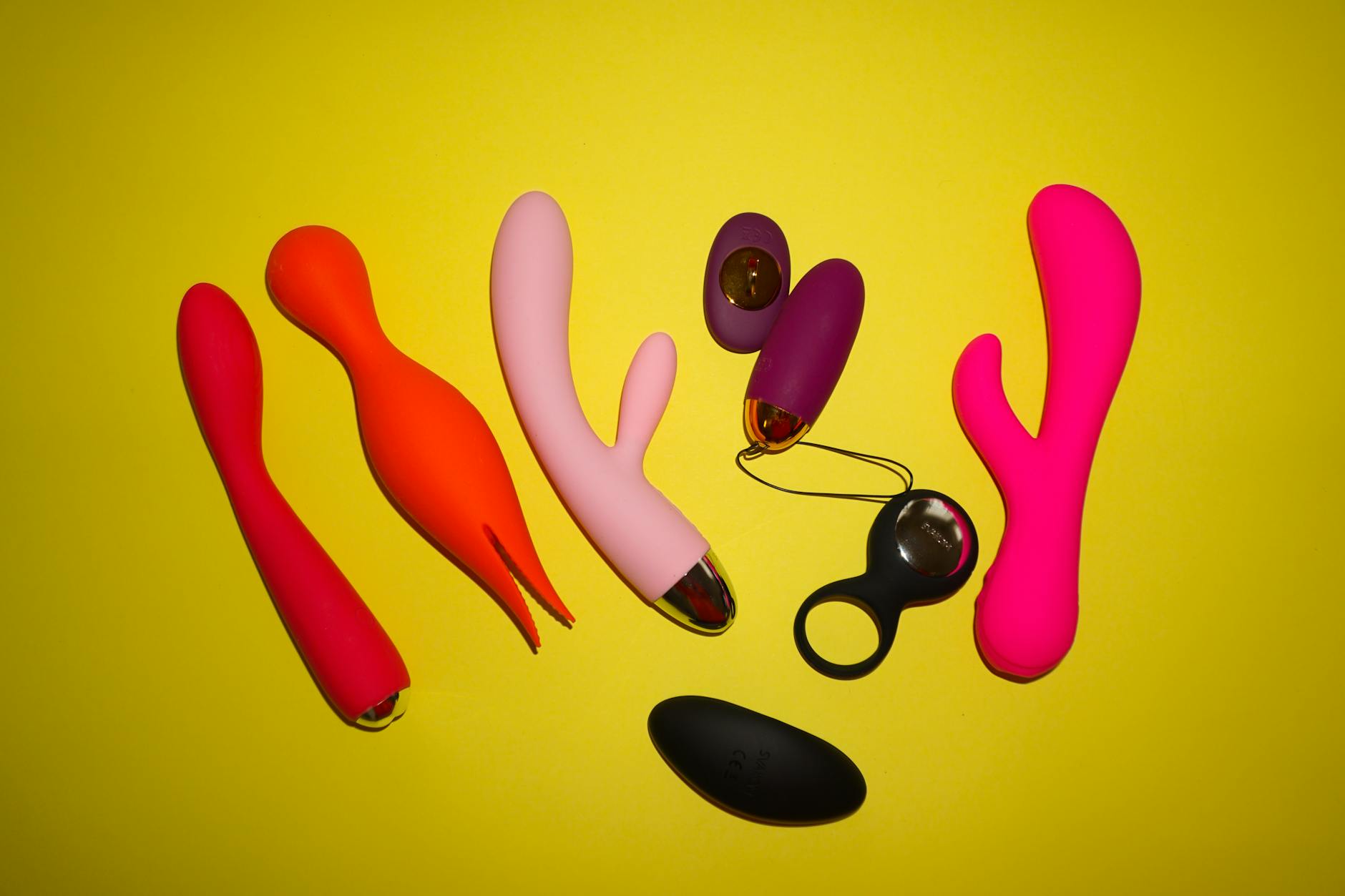
Tools like lemon clitoral vibrators or other toys can paradoxically reduce this pressure. Why? Because they're obviously not about emotional intimacy. They're about sensation. Pleasure. Play. The vibrator becomes the "thing" that matters, not the relationship performance around it. This gives you both permission to be a little silly, a little curious, a little clumsy.
A lemon vibrator, specifically, works well for couples rebuilding because the suction sensation is so different from penetration that it resets expectations. It's not sex as you've done it before. It's something new you're exploring together. Newness is oxygen for a reconnecting couple.
How to talk about this with your partner
Most people skip this step and it's the biggest mistake they make. You can't rebuild pleasure in silence.
Start with something like: "I've been thinking about us. About sex. About the fact that we haven't been intimate in a long time. I miss it. I miss you. I don't want this to be a source of pressure or expectation. I just want us to try."
Then listen. Your partner might say they're scared too. They might say they didn't think you wanted them anymore. They might say they've felt rejected. All of this is information. All of it matters.
Once you've had the big conversation, you can talk specifics: "What would feel safe to you?" "What's one thing we could try this week that feels low-pressure?" "Would a toy help us feel less awkward, or would it feel like too much?"
What to do if desire doesn't return immediately
Some couples who rebuild physical connection find that desire flows back naturally. Others find that the desire part is still complicated, even as sensation improves.
This is okay. Desire isn't a light switch that flips back on because you had a good experience. Sometimes it takes weeks or months of consistent small reconnections before wanting your partner in that way returns.
In the meantime, keep going. Stay curious. Notice what feels good. Celebrate small wins. You had a five-minute experience where you both felt present? That's a win. You tried something new and laughed about it being awkward? That's a win. You didn't have sex but you held each other without it feeling heavy? That's a win.
When to bring in professional support
If after a few months of intentional reconnection attempts you're still blocked, couples therapy is worth it. A therapist can help you identify what's really underneath the disconnection. Is it unresolved conflict? Different libido levels? Untreated depression or anxiety affecting both of you? Past infidelity? Mismatched expectations about the relationship?
Rebuilding pleasure after long-term disconnection is possible. But sometimes you need a guide to help you navigate the emotional terrain that got you here in the first place.
The timeline for rebuilding pleasure
Here's what realistic looks like: three to six months of consistent, gentle effort before you feel truly reconnected. Some couples move faster. Some move slower. This isn't a race.
Week one to two: emotional conversation and commitment to trying.
Week three to six: rebuilding non-sexual touch. Hand-holding, hugs, casual affection. No pressure.
Week seven to ten: solo exploration. You spend time rediscovering your own body and desire.
Week eleven onward: shared pleasure. Starting slow. Maybe with a toy to reduce pressure and increase novelty. Rebuilding your shared language of touch and desire.
Throughout all of this, check in. "How's this feeling?" "Do you want to keep going or take a break?" "What would make this feel better?" Communication isn't romantic. But it's what makes reconnection possible.
Why this matters beyond just sex
When long-disconnected couples rebuild pleasure, something shifts that goes way beyond physical intimacy. You start to see each other again. To be vulnerable together. To remember why you chose this person in the first place.
Sex after years apart isn't about proving anything. It's about saying: I still want to know you. I still think you're worth the risk. I'm willing to be uncomfortable if it means being close to you again.
That's worth rebuilding. And it's entirely possible from wherever you are right now.
FAQ
What if my partner isn't interested in rebuilding pleasure after disconnection?
That's important information. It might mean they're still hurt or angry about something specific. It might mean they've checked out emotionally. It might mean they have their own fears about vulnerability. The conversation here isn't "let's have sex." It's "I've noticed we're disconnected and I want to understand what's happening for you." Their answer will tell you whether this is about technique or about something deeper that might benefit from professional support.
Is it normal to feel awkward or unsexy the first few times?
Completely normal. After years of disconnection, your bodies are literally learning to be close again. Your nervous systems are recalibrating. Awkwardness is evidence that you're trying something vulnerable, not evidence that it's failing. Most couples report that the awkwardness eases after two or three attempts.
Can tools like the Lem vibrator actually help rebuild intimacy?
Yes. Toys reduce performance pressure by shifting focus from "making this romantic" to "let's explore sensation together." They also introduce novelty, which helps reset patterns that have been stale for years. A lemon clitoral vibrator specifically works well because the suction sensation is so different from anything you've likely done before that it gives your brain permission to be curious instead of anxious.
How do I know if we're making progress?
Progress looks like: more frequent non-sexual touch, easier physical closeness without it feeling loaded, laughter together, genuine curiosity about what your partner enjoys, and the return of affection you might have forgotten existed. Orgasms don't have to happen for progress to be real.
What if one of us wants sex more than the other?
This is one of the core issues that actually caused the original disconnection for many couples. If desire levels are genuinely mismatched, that's worth naming and working with. A sex therapist can help you understand whether this is a biology thing, a trauma thing, a resentment thing, or a simple incompatibility thing. Once you know what you're working with, you can make real choices about how to move forward.
Can we rebuild pleasure without professional help?
Many couples do. What you need is: honesty, willingness, patience, and genuine curiosity about each other. You don't need a therapist unless you've tried consistently for several months and are still stuck, or if there's significant unresolved conflict (infidelity, dishonesty, abuse) that needs professional processing first.
The long view
Long-term disconnection feels permanent until it doesn't. Couples who rebuild pleasure after years of distance often describe it as falling in love again. Not with someone new, but with the person they chose. With the possibility of closeness. With their own capacity for desire.
Start small. Commit to trying. Talk about it. Be awkward together. Stay curious. That's the whole framework.
If you want help getting started or you get stuck, reach out to talk through your specific situation.